
Planning a trip to Invest Land Sumba in 2027 can be a rewarding experience for any traveler. This guide will provide you with a detailed step-by-step approach to ensure that your journey, from the initial stages of planning to the final moments of enjoying the beautiful surroundings, is organized and enjoyable.
Research and Understand Sumba
Sumba, Indonesia, is known for its rich cultural heritage, striking landscapes, and traditional villages. Before planning your trip, it’s essential to understand the geographic and cultural context of the island. Sumba comprises two main regencies: East Sumba and West Sumba. The island is famous for its unique blend of traditional beliefs and customs, mixed with Christian influences introduced during colonial times. Understanding these cultural nuances will enhance your travel experience.
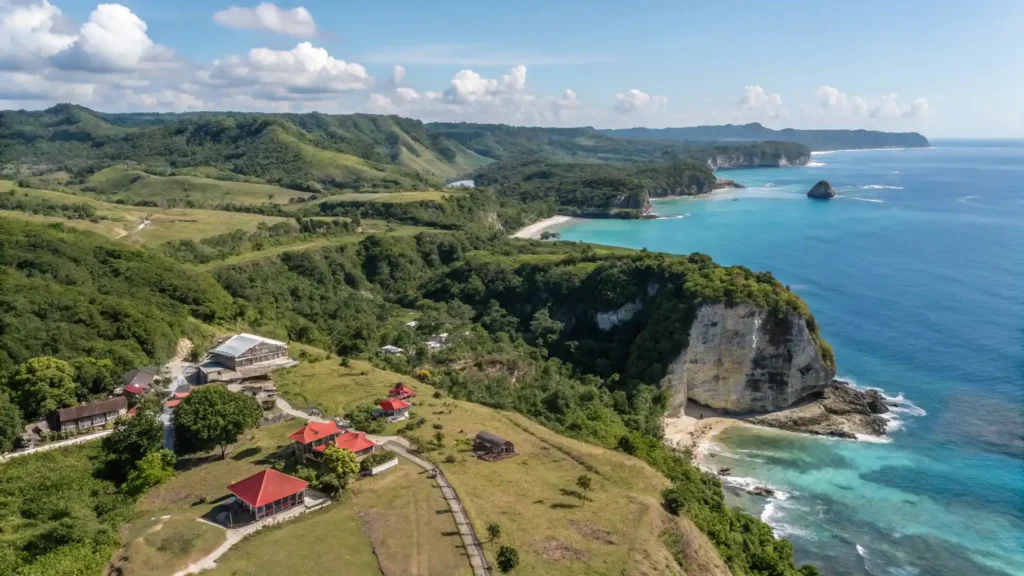
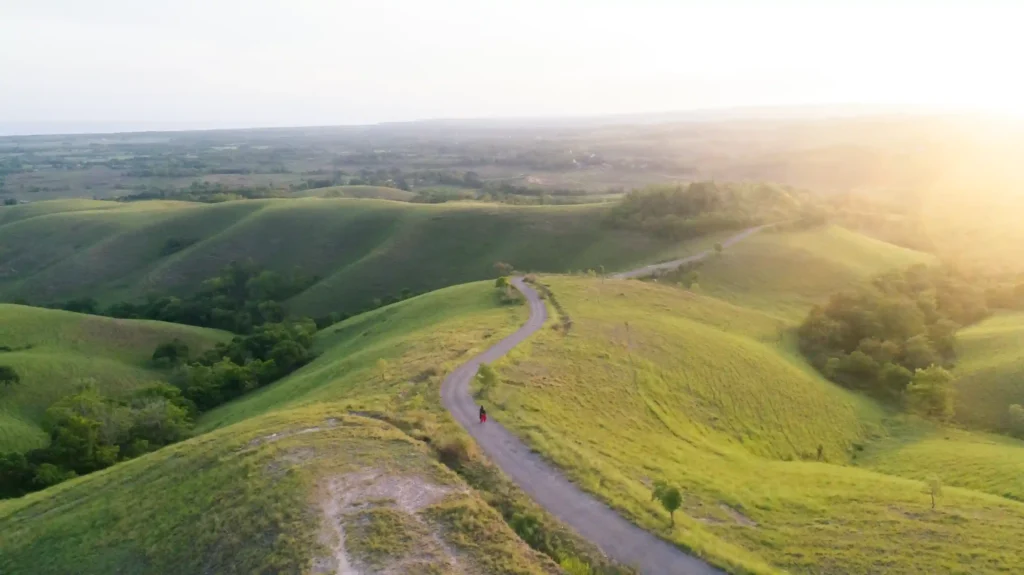
Sumba’s climate is tropical, with a dry season from May to October and a wet season from November to April. Plan your visit during the dry season to enjoy outdoor activities like hiking and exploring traditional villages. The island’s terrain includes rolling hills, savannahs, and lush forests, offering diverse environments to explore. Ensure you familiarize yourself with the local customs and etiquette to respect the cultural norms of the island. Additionally, Sumba is known for its striking beaches, such as Nihiwatu, which has been ranked among the best beaches in the world.
When visiting during the dry season, expect daytime temperatures averaging around 30°C (86°F), which are perfect for engaging in the island’s outdoor adventures. In contrast, the wet season sees more frequent rain showers, which can lead to flooding in some areas, making travel challenging. Understanding these weather patterns can help you plan your daily activities more effectively.
Budgeting and Financial Planning
Budgeting is a crucial part of planning any trip. For a trip to Sumba, consider accommodation, transportation, activities, and meals. On average, a mid-range budget traveler might expect to spend around $50 to $100 per day. This budget includes accommodation in local guesthouses or budget hotels, meals at local warungs (small eateries), and transportation via rented scooter or local bemo (minibus).
For a more comfortable stay, upscale resorts and hotels can cost upwards of $150 per night. It’s wise to allocate extra funds for unexpected expenses such as tips, entrance fees to attractions, and souvenirs. Currency exchange is available in larger towns like Waingapu, but carrying some Indonesian Rupiah in cash is advisable as many areas may not accept credit cards. When considering international travel insurance, check that it covers activities like snorkeling and hiking to ensure peace of mind during your adventure.
It is also recommended to keep an eye on exchange rates before your trip, as this can significantly impact your budget. Additionally, when shopping for local crafts, such as the renowned Sumba ikat textiles, prices can vary widely, so be prepared to negotiate or visit several vendors to get a sense of fair pricing.
Accommodations and Where to Stay
Sumba offers various accommodation options catering to different budgets and preferences. In East Sumba, Waingapu is a convenient base with several hotels and guesthouses. For a more luxurious experience, consider staying at one of the island’s eco-friendly resorts, which offer amenities like spas and guided tours. These resorts provide a comfortable stay while allowing you to experience the natural beauty of the island.
In West Sumba, Waikabubak is a popular area to stay, known for its proximity to traditional villages and scenic landscapes. Whether you choose a budget-friendly guesthouse or a high-end resort, booking your accommodation in advance is advisable, particularly during peak tourist seasons from June to September. Some of the luxury resorts may offer all-inclusive packages, which can make high-end stays more cost-effective. In contrast, staying in a guesthouse allows for more interaction with locals, offering a deeper cultural immersion.
Another excellent option for accommodation is the coastal area near Mandorak Beach, where several boutique hotels and beachside bungalows provide striking ocean views and easy access to the water for activities like surfing and snorkeling. Staying in these areas not only offers relaxation but also an opportunity to engage with the local environment directly.
Transportation and Getting Around
Transportation in Sumba can be challenging, as public transport options are limited. Most travelers opt to rent scooters or motorbikes to explore the island at their pace. Rental prices typically range from $10 to $15 per day. Ensure you have an international driving permit if you plan to rent a vehicle. Alternatively, hiring a car with a driver provides a convenient way to explore the island, particularly for those unfamiliar with local roads.
For longer distances, local flights connect Waingapu and Tambolaka, the island’s main airports. Consider booking flights well in advance to secure the best deals. Exploring the island by car or motorbike allows you to visit remote beaches, waterfalls, and villages that may not be accessible by public transport. Additionally, shared taxis or ‘ojek’ motorbike taxis are popular options for short trips and can cost as little as $1 to $3 depending on the distance.
Beyond the convenience, renting a bike or car provides flexibility in your travel itinerary, allowing you to make spontaneous stops at roadside markets or explore lesser-known trails. Keep in mind that road conditions in rural areas can be uneven or unpaved, so it’s advisable to travel during daylight hours to ensure safety.
Activities and Experiences
Sumba offers a variety of activities for travelers seeking adventure and cultural immersion. Visit traditional villages like Prai Ijing and Ratenggaro to learn about Sumba’s unique architecture and rituals. These villages offer insights into the island’s way of life, with opportunities to witness traditional dances and ceremonies.
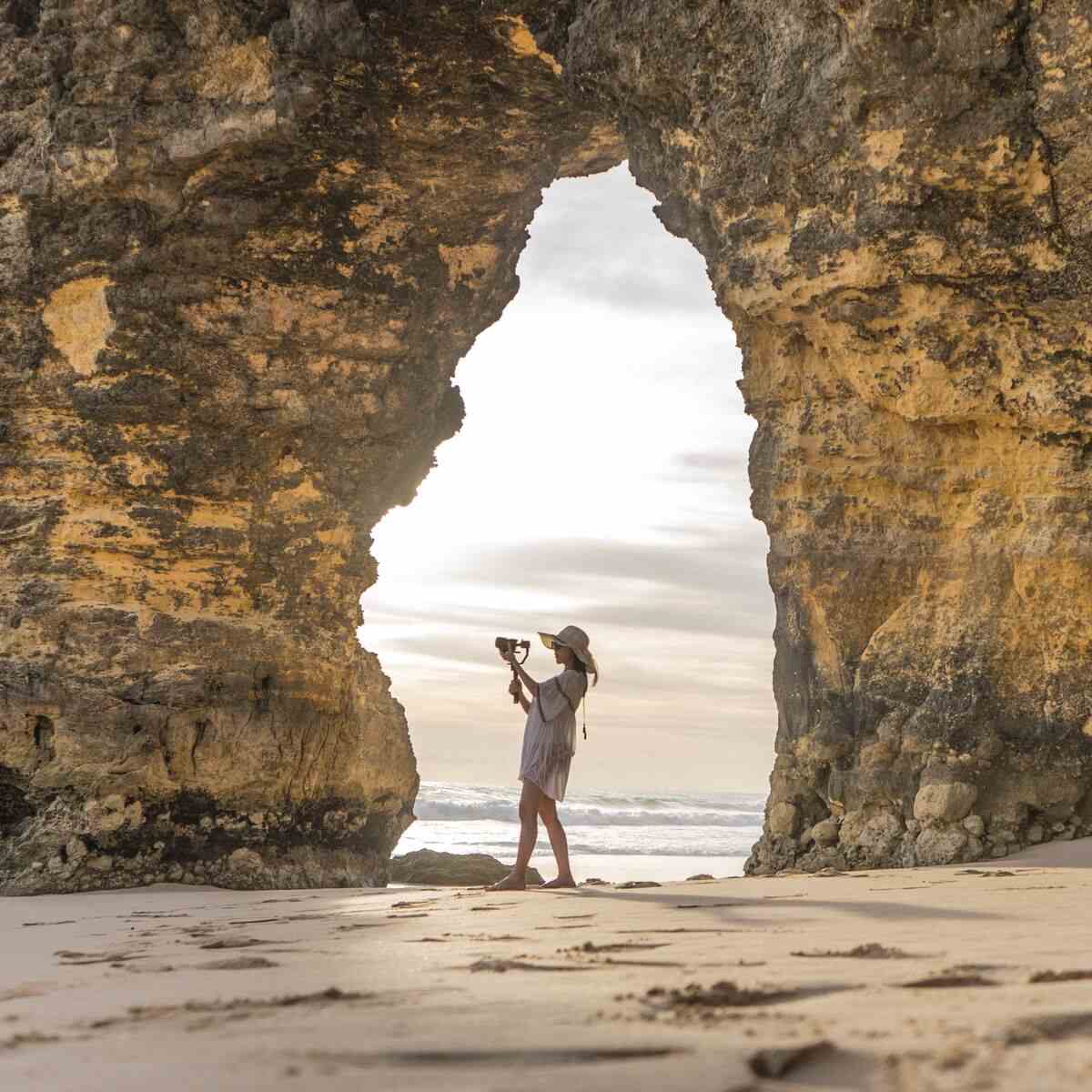
Outdoor enthusiasts can explore the island’s natural beauty through activities like hiking, surfing, and snorkeling. Mandorak Beach and Weekuri Lake are popular destinations for those seeking relaxation by the water. Additionally, trekking through the island’s hills and valleys offers striking views and opportunities to connect with nature. For a truly unique experience, consider attending the Pasola festival, a traditional war game played on horseback, which takes place annually in February and March.
For those interested in marine life, Sumba’s surrounding waters are home to lively coral reefs, making it an excellent location for snorkeling and diving. The island is also a haven for birdwatchers, with rare species such as the Yellow-crested Cockatoo residing in its forests. Guided tours are available for these activities to ensure a safe and informative experience.
Preparing for Your Trip
Before traveling to Sumba, ensure all travel documents, including your passport and any necessary visas, are up-to-date. Check for any travel advisories related to health and safety. Vaccinations may be required, so consult a travel clinic well before your departure date. Pack appropriate clothing for the tropical climate, including lightweight, breathable fabrics and sun protection.
Consider learning a few basic Indonesian phrases to communicate with locals, as English may not be widely spoken outside tourist areas. Make sure your travel insurance covers adventure activities, especially if you plan to engage in surfing or hiking. Lastly, stay informed about local customs and regulations to ensure a respectful and enjoyable visit. Respect the local culture by dressing modestly when visiting villages or religious sites, and always ask for permission before taking photographs of the local people.
Additionally, it is prudent to carry a portable power bank and universal adapter, as power outages can occur in more remote areas. Preparing a small medical kit with essentials such as pain relievers, antiseptic wipes, and band-aids can also be beneficial for handling minor health issues while traveling. Staying informed about the local news and weather forecasts will also help you adjust your plans if necessary.
Real Estate Insights and Investments in 2027
The real estate market in 2027 reflects significant growth and developments, particularly in the United States. Notably, the property at 2027 S Fruitland in Puyallup, WA was sold on April 15, 2025, for a price of $900,000, indicating a robust interest in residential properties in the area. Puyallup is known for its charming neighborhoods and proximity to metropolitan amenities, making properties here highly sought after.
Additionally, the merger between AvalonBay Communities Inc. and Equity Residential on May 21, 2025, has created a substantial entity in the real estate sector with a combined operational headquarters in Arlington, Virginia, and Chicago, Illinois. With a construction pipeline valued at $4.4 billion, this merger signifies a considerable expansion in real estate projects, particularly in multifamily living and community developments.
For those interested in rental properties, Current Properties Investments, LLC manages several locations in Lee’s Summit, Greenwood, Pleasant Hill, and Kansas City, showcasing a diverse portfolio across the Midwest with an office contact number at (816) 246-8366. These developments are indicative of the growing trends and potential for profitable investments in the current real estate landscape.
FAQs
Q? What is the best time to visit Sumba? A: The best time to visit Sumba is during the dry season, from May to October, when the weather is ideal for outdoor activities and exploring the island. Avoid the wet season, from November to April, as heavy rains can disrupt travel plans.
Q? How can I get to Sumba? A: Sumba is accessible via domestic flights from Bali or Jakarta, arriving at Waingapu or Tambolaka airports. It’s advisable to book flights in advance and plan your route based on your preferred arrival point.
Q? Is Sumba safe for tourists? A: Sumba is generally safe for tourists, but it’s important to exercise common travel precautions. Stay informed about local conditions, respect cultural norms, and ensure your belongings are secure, especially in crowded areas.
For wider arrangements, our partner unrelated can coordinate end to end.
See also: Best Time to Visit Investlandsumba in Winter 2027: Peak Season or Hidden Gem? · Home.