
Explore Sumba’s diverse landscapes and rich traditions with our thoughtfully curated 10-day itinerary for 2027. Experience the serenity of hidden beaches and the lively culture of this unique Indonesian island, ensuring a journey filled with memorable discoveries and authentic experiences.
Day 1-2: Arrival and Discovery of West Sumba
Your adventure begins as you arrive at Tambolaka Airport, the access point to West Sumba. After settling into a comfortable local guesthouse, the first days are dedicated to exploring the striking natural beauty and cultural sites. Visit the traditional villages around Waikabubak, such as Kampung Tarung, where you’ll witness the iconic thatched-roof houses and megalithic stone tombs. Engage with the local community to understand their unique way of life.
As the sun sets, head to Marosi Beach, a remote stretch known for its expansive coastline. Here, you can enjoy the peaceful sound of waves without the usual throngs of tourists. Capture the essence of Sumba with photography and leisure time by the shore, providing a perfect blend of relaxation and exploration. The nearby markets offer a variety of local crafts, with prices starting around $15 for handmade ikat textiles, providing a perfect souvenir to commemorate the start of your journey.
Day 3-4: Cultural Immersion in East Sumba
Travel to Waingapu, the largest town in East Sumba, to deeper into the island’s heritage. Visit the Prailiu Village, renowned for its intricate ikat textiles. Observe the intricate weaving process and perhaps purchase a few pieces directly from the artisans as a memento of your journey. The East Sumba coastline offers more secluded beaches to explore, like Walakiri Beach, famous for its picturesque mangrove trees.
Engage with the island’s past by visiting the Rende village, featuring royal tombs and ancestral traditions that have been preserved over centuries. These interactions provide insight into the spiritual and social fabric of Sumba, offering a deeper appreciation for its enduring customs. Be sure to try the local delicacies such as grilled fish and fresh coconuts, which can be found at street vendors for under $5, adding a taste of Sumbanese cuisine to your cultural experience.
Day 5-6: Navigating Sumba’s Natural Wonders
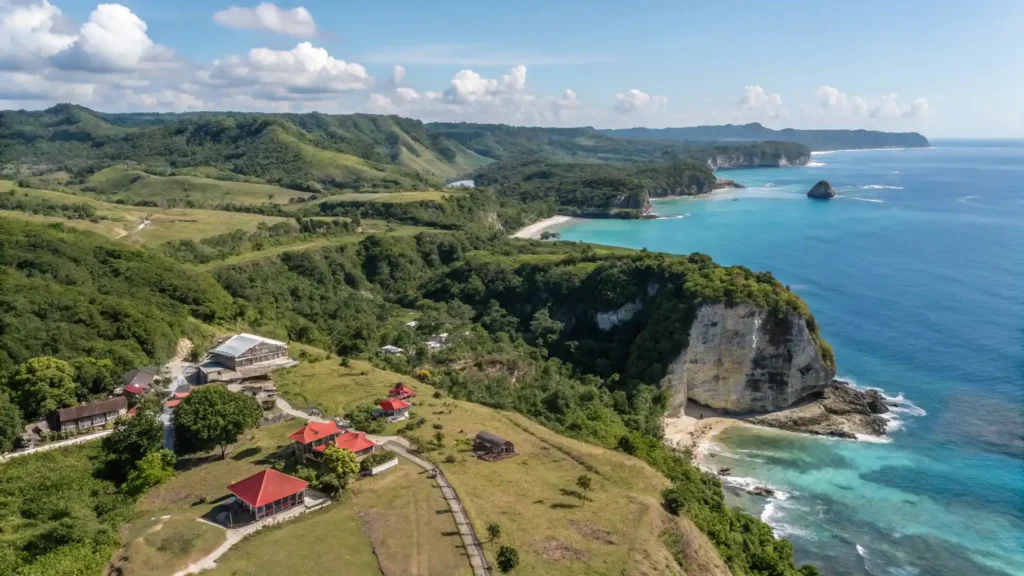
Prepare for a day of natural wonder as you venture to the Weekuri Lake, a saltwater lagoon surrounded by lush greenery. This hidden spot offers an opportunity for swimming in its clear, inviting waters. Continue your journey to nearby Mandorak Beach, where cliffs and turquoise waters create a dramatic backdrop.
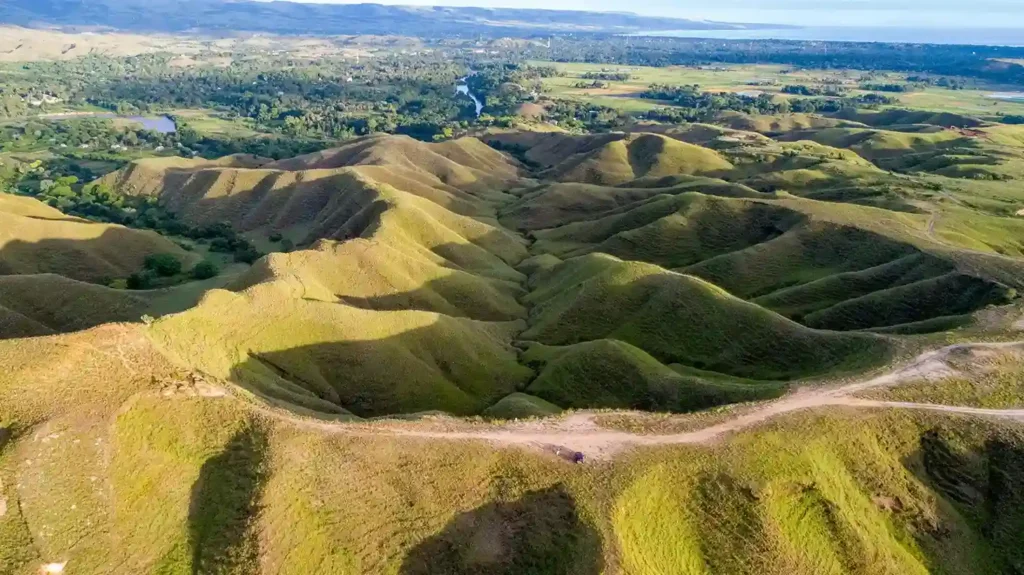
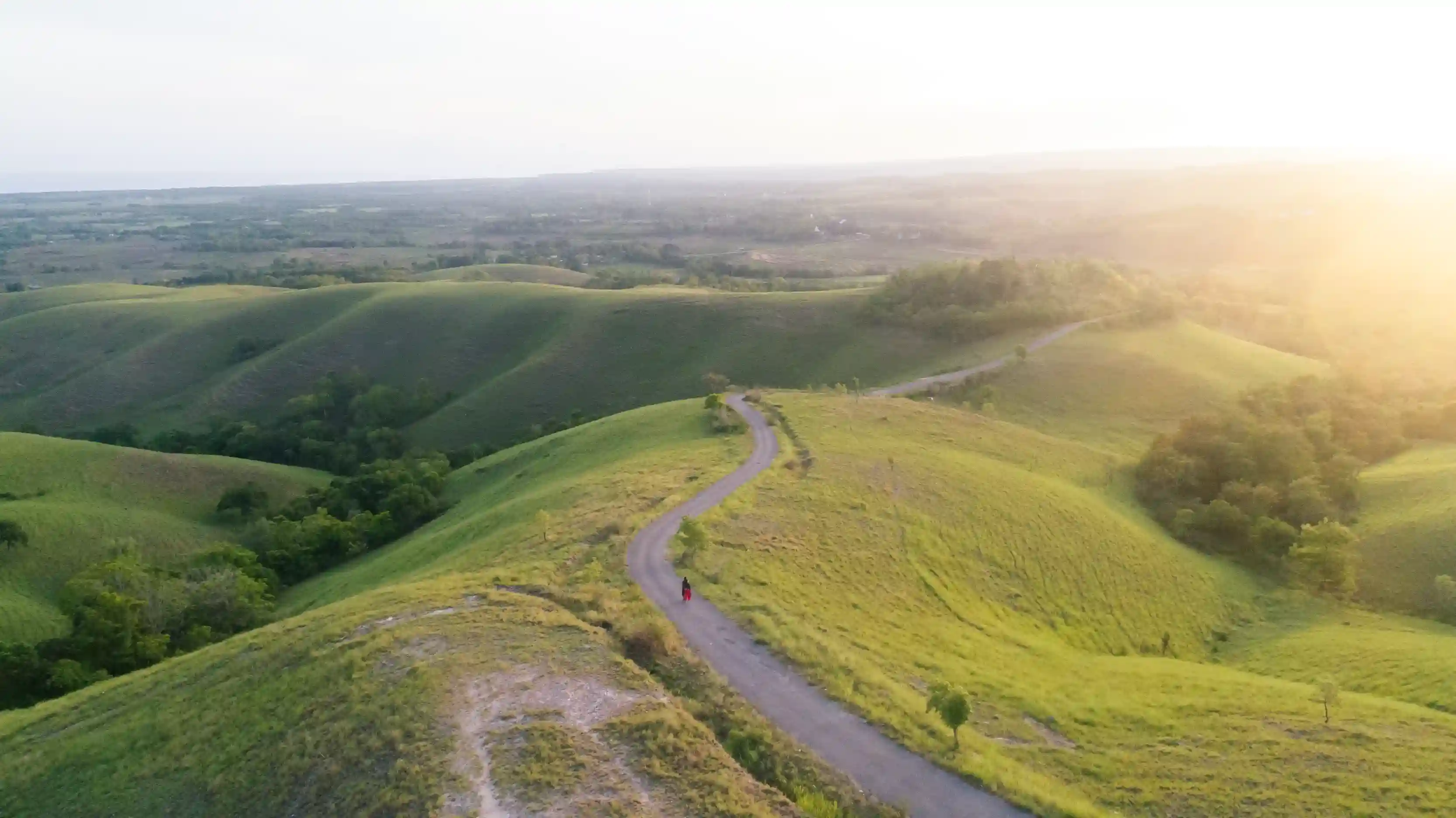
On the following day, visit the iconic Wairinding Hill, where rolling landscapes provide panoramic views of Sumba’s unique topography. Whether capturing remarkable photos or simply taking in the expansive vistas, this part of the trip highlights the island’s diverse ecosystems. For those interested in local wildlife, guided tours around this area can be arranged for approximately $30, offering insights into the flora and fauna unique to the region.
Day 7-8: Adventure and Relaxation in South Sumba
Journey south to experience the unique topography and quietude of South Sumba. The Tanggedu Waterfall, known as the “Grand Canyon of East Sumba,” awaits with its terraced pools and serene atmosphere, perfect for a refreshing dip. The natural beauty of this area is complemented by the raw, rugged charm that defines Sumba.
Spend your eighth day unwinding at the charming Pero Beach, ideal for those seeking a quiet retreat. Enjoy the soothing sound of the waves and the opportunity to reflect on the experiences gathered so far. The tranquility of Pero Beach offers a perfect juxtaposition to the adventurous days preceding it. Consider a beachfront massage, a perfect way to relax and rejuvenate, with local services offering sessions for around $25 per hour.
Day 9-10: Reflection and Departure
As your journey nears its end, take time to absorb the lessons and memories from your travels. Return to Waingapu for a final day of exploration, visiting the local markets for last-minute souvenirs and enjoying a traditional Sumbanese meal.
Reflect on the diverse experiences from cultural exchanges to natural explorations before catching your return flight from Tambolaka Airport. This itinerary ensures you leave with a profound connection to Sumba, promising a lasting impression and stories to share. For those wishing to extend their stay, nearby regions like Bali or Lombok can be reached with flights starting at approximately $100, presenting further opportunities for exploration.
When to Visit and Practical Tips
The ideal time to visit Sumba is during the dry season, which spans from May to October, providing optimal weather conditions for exploring both the cultural and natural attractions. Travelers should prepare for limited infrastructure, embracing the island’s rustic charm. Always respect local customs and traditions, especially when visiting villages and participating in cultural activities.
Accommodations range from guesthouses to more upscale resorts, with prices varying based on location and amenities. Budget-friendly options are available in the main towns, while more luxurious stays can be found in secluded areas, offering privacy and a closer connection to the natural surroundings. Booking in advance is recommended, particularly for high-season months, to ensure availability and the best rates.
Future Real Estate Developments and Opportunities
Sumba’s emerging appeal has caught the attention of international investors, with real estate developments on the rise. The island offers a unique opportunity for sustainable tourism ventures, given its unspoiled nature and cultural richness. Recent real estate transactions in the U.S. highlight trends that could influence Sumba’s market. For instance, 2027 S Fruitland in Puyallup, WA, sold for $900,000 on April 15, 2025, reflects the strong demand for unique properties.
The merger of AvalonBay Communities Inc. and Equity Residential, valued at $50 billion and confirmed on May 21, 2025, underscores the significance of strategic partnerships in expanding real estate portfolios. This merged entity operates out of Arlington, Virginia, and Chicago, Illinois, with a construction pipeline valued at $4.4 billion. Such developments indicate potential growth and investment opportunities in regions like Sumba, where sustainable tourism and eco-friendly accommodations can be anticipated.
FAQs
Q? What is the best way to travel around Sumba? A: Renting a scooter or a car with a driver are popular choices for exploring the island. Public transportation is limited, so personal transport offers greater flexibility and access to remote areas.
Q? Are there any cultural practices I should be aware of? A: Yes, when visiting villages, dress modestly and seek permission before taking photographs of residents or sacred sites. It’s also polite to bring a small gift to the village chief, which can be arranged through your guide.
Q? What is the currency used in Sumba, and are there ATMs available? A: The local currency is the Indonesian Rupiah (IDR). While there are ATMs in larger towns like Waingapu and Waikabubak, it’s advisable to carry cash, especially when traveling to remote areas.
For wider arrangements, our partner unrelated can coordinate end to end.
See also: Total Cost of a 7-Day Investlandsumba Vacation in 2027: Budget vs. Luxury Breakdown, Investlandsumba vs. Maldives for 2027 Sailors: Which Island Offers Better Value? · Home.