
Winter 2027 offers travelers a unique opportunity to explore Invest Land Sumba. Whether you’re seeking a peak season experience or discovering the overlooked periods, this guide provides essential insights to help plan your visit.
Understanding Seasonal Variations: Winter 2027 in Sumba
Sumba Island, part of Indonesia’s Lesser Sunda Islands, experiences a tropical savanna climate with distinct wet and dry seasons. Winter, spanning December to February, aligns with the wet season. During this time, temperatures hover around 28°C (82°F), accompanied by increased humidity and rainfall. While the weather can be less predictable, it presents an opportunity for a quieter experience as the number of visitors decreases.
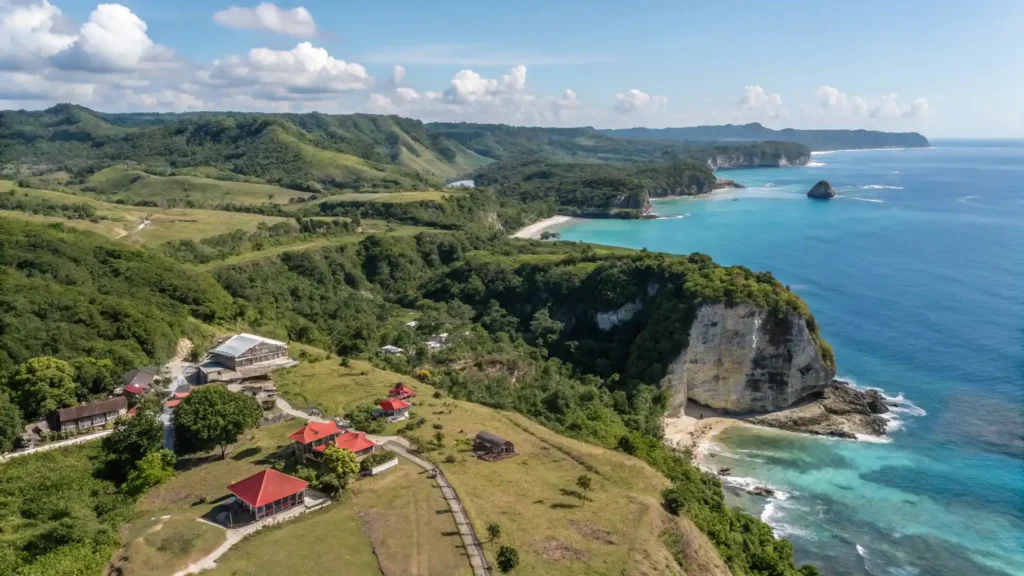
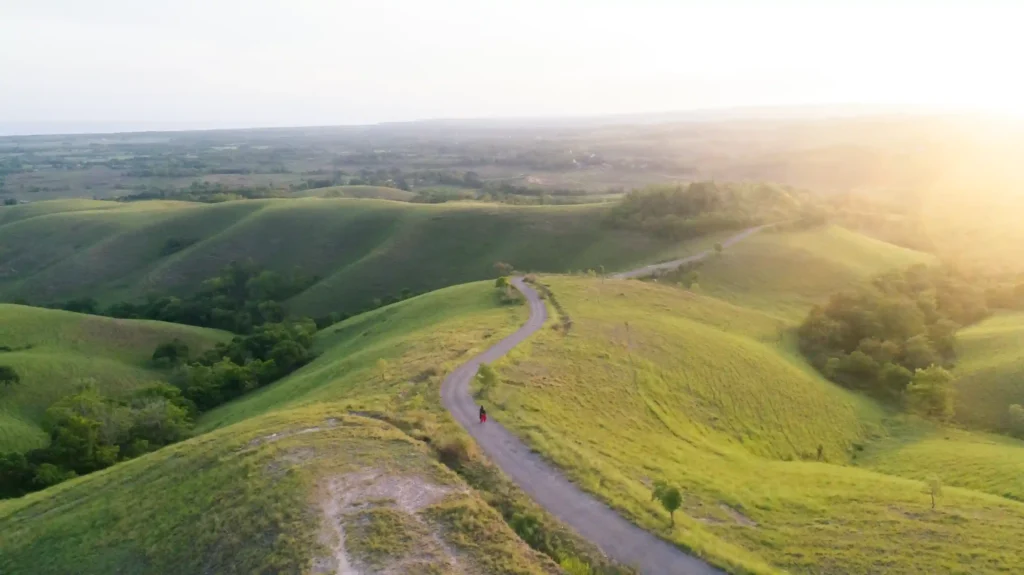
This period contrasts with Indonesia’s peak tourist season from April to October, when the climate is predominantly dry. Travelers during the winter months can appreciate the lush landscapes and the rejuvenated flora, which are at their peak vibrancy due to the rainfall. Such conditions enhance the island’s natural beauty, providing a different perspective compared to the dry season. Additionally, the wet season can lead to exciting opportunities for photographers looking to capture dramatic skies and lively greens.
Cultural Insights and Festivities
Visiting Sumba in winter allows travelers to engage with the local culture through various festivals and traditions. One notable event is the Pasola, an ancient war ritual that takes place in February. This festival involves hundreds of horsemen on a beach, engaged in a spear-throwing competition. The Pasola is both a spectacle and a deeply rooted cultural tradition, offering visitors a glimpse into Sumba’s rich heritage.
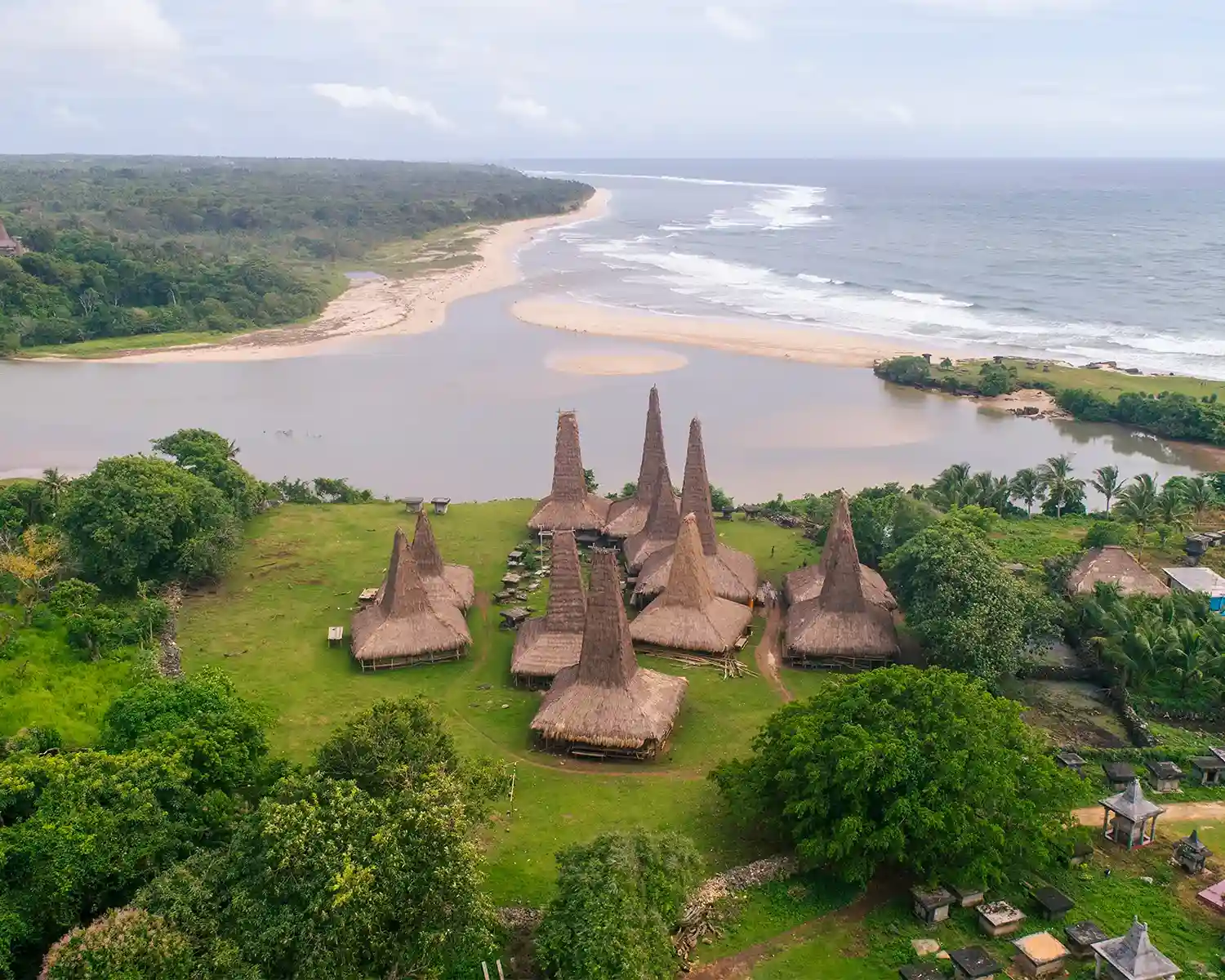
In addition to the Pasola, visitors can explore traditional Sumbanese villages like Ratenggaro and Prai Ijing, which retain architectural styles and crafts passed down through generations. Engaging with the local community provides a deeper understanding of their customs, beliefs, and daily life, making the cultural exploration of Sumba a significant aspect of any visit. These villages are known for their distinctive peaked thatched roofs and are often set against striking natural backdrops.
Accommodation and Travel Logistics
Travelers planning a trip to Sumba in winter 2027 will find a range of accommodation options. Hotels, guesthouses, and eco-lodges vary in price and amenities. On average, accommodation costs range from $50 to $300 per night, providing choices for different budgets. Pre-booking is advisable, particularly if visiting during festive periods.
Getting to Sumba typically involves a flight to Tambolaka Airport or Waingapu Airport from Bali or Jakarta. Flight prices vary, generally costing between $100 and $300 for a return trip. Once on the island, transportation is mainly by rental car or local taxis. Visitors should budget around $30 to $50 per day for transportation, depending on travel distances and vehicle type. For those looking to explore more remote areas, hiring a local guide can enhance the experience and ensure safe navigation.
Activities and Attractions
Sumba offers diverse activities and attractions that cater to various interests. Nature enthusiasts can explore the notable beaches of Nihiwatu and Tarimbang, offering opportunities for surfing and relaxation. These beaches are less crowded during winter, providing a serene environment for visitors.
For those interested in adventure, trekking through the island’s interior offers a chance to discover waterfalls such as Lapopu and Tanggedu. These natural sites are particularly captivating during the wet season, with fuller cascades and lively surroundings. Additionally, Sumba is home to unique fauna and flora, attracting wildlife enthusiasts and researchers alike. Bird watchers can delight in spotting species like the critically endangered Sumba hornbill.
Economic Impact and Tourism Trends
The tourism industry in Sumba contributes significantly to the local economy. In recent years, there has been a growing interest in sustainable tourism practices to preserve the island’s natural and cultural resources. This shift aligns with global trends where travelers seek more meaningful and responsible travel experiences.
Investments in infrastructure and community-based tourism initiatives have enhanced Sumba’s appeal as a destination. These developments aim to provide visitors with authentic experiences while ensuring that tourism benefits the local population. As a result, Sumba is increasingly recognized as a destination that balances economic growth with environmental and cultural preservation. Local artisans are supported through tourism, with crafts sold at markets benefiting directly from visitor spending.
Comparative Analysis: Peak Season vs. Winter Travel
When comparing winter travel to the peak season, several factors come into play. Winter offers a quieter and potentially more affordable visit, with fewer tourists and lower accommodation rates. However, the weather can be unpredictable, with intermittent rain affecting outdoor activities.
In contrast, the peak season guarantees more stable weather, ideal for beach activities and exploring the island’s landscapes. However, this comes with increased tourist numbers, higher prices, and the possibility of crowded attractions. Travelers must weigh these factors based on personal preferences and priorities when planning their visit to Invest Land Sumba. The choice between these seasons depends on whether visitors prioritize tranquility or predictable weather.
Real Estate and Investment Opportunities in Sumba
As Sumba gains popularity, real estate opportunities on the island have begun to attract attention from investors. Properties in areas like Waikabubak offer potential for development, with prices still relatively affordable compared to Bali. As of 2025, land prices in strategic locations have seen a steady increase, with some prime beachfront plots reaching up to $200,000.
Investing in Sumba presents a unique opportunity to be part of an emerging market. With the global trend towards sustainable tourism, properties that incorporate eco-friendly practices are particularly appealing. Investors interested in the region should consider the benefits of early entry into this market, as infrastructure improvements are poised to enhance accessibility and desirability in the coming years.
FAQs
Q? What is the best time to visit Sumba for cultural experiences? A: February is ideal for witnessing the Pasola festival, a significant cultural event that offers insights into Sumbanese traditions.
Q? How significant is the rainfall in Sumba during winter? A: Rainfall is more frequent, contributing to lush landscapes. However, it can affect outdoor plans, making it important to stay flexible with itineraries.
Q? Are there any specific health precautions to consider when visiting Sumba in winter? A: It’s advisable to carry mosquito repellent and stay updated on health advisories, as the increased humidity can lead to a higher presence of mosquitoes.
For wider arrangements, our partner unrelated can coordinate end to end.