
Navigating Freehold Property in Indonesia: A Comprehensive Investor’s Guide

marcell
December 18, 2025
20 min read

Thinking about buying property in Indonesia? It can be a smart move, but there’s a lot to figure out, especially when it comes to freehold property Indonesia. This kind of ownership means you have the most control, but the rules can be tricky. We’ll break down what you need to know, from understanding the basics to making sure your investment is solid. It’s not always simple, but with the right info, you can make good choices.
Key Takeaways
- Freehold property in Indonesia, known as ‘hak milik,’ offers the highest level of ownership rights, allowing for perpetual control and the ability to transfer the property to heirs.
- Direct freehold ownership is generally restricted to Indonesian citizens and certain legal entities; foreigners typically need to explore alternative structures like leasehold or ‘Hak Pakai’ (Right to Use).
- Thorough due diligence is vital before acquiring freehold property, including verifying land titles, understanding zoning laws, and consulting with legal experts to avoid potential disputes.
- While offering long-term investment potential and flexibility, freehold ownership comes with responsibilities such as property taxes and staying updated on local regulations.
- Navigating foreign ownership rules and potential risks requires careful planning and often involves seeking advice from notaries and legal consultants experienced in Indonesian real estate.
Understanding Freehold Property in Indonesia
Freehold Land Defined
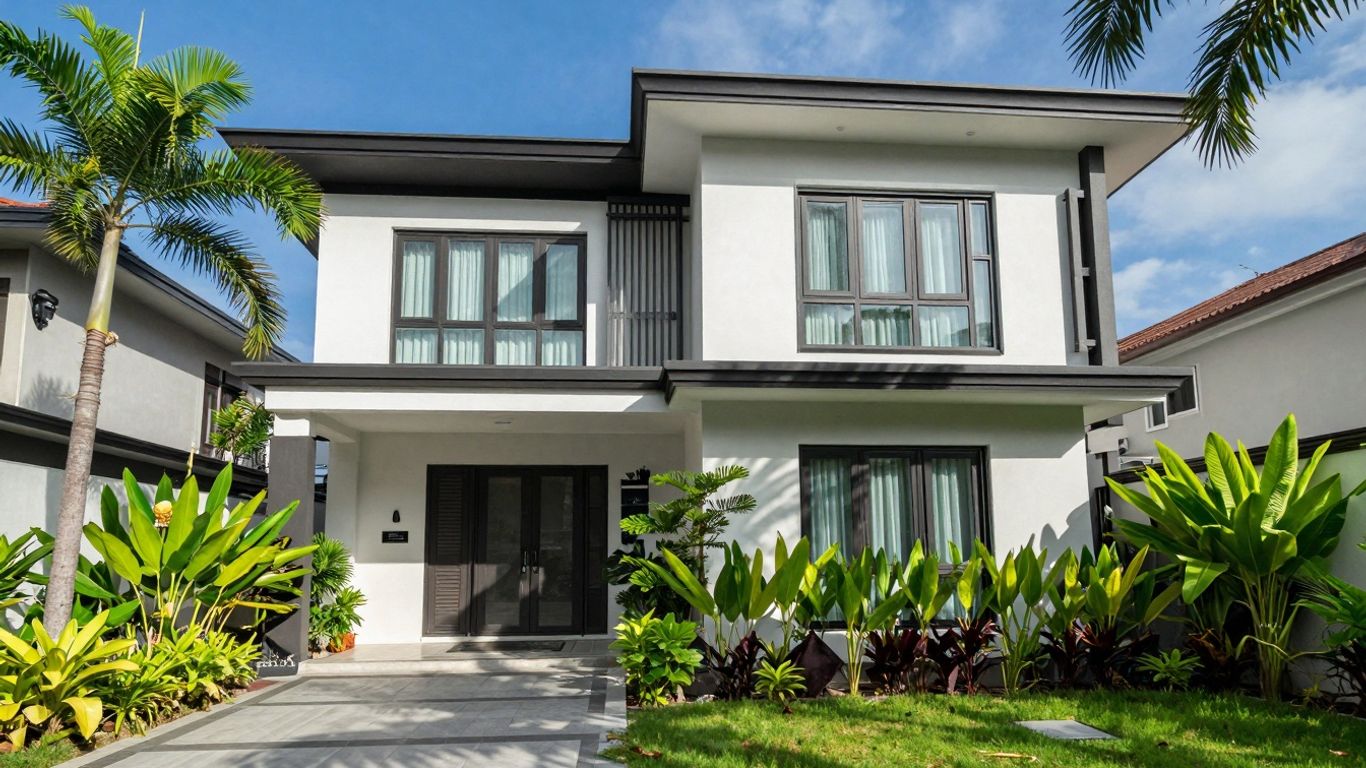
In Indonesia, when we talk about owning land outright, the term that comes up is ‘hak milik’. This is essentially what freehold land means here. It’s the highest form of property ownership you can get. It means you own the land and anything on it, forever. Unlike renting or leasing, where you only have rights for a set period, freehold gives you complete control. You can use it, sell it, pass it down to your kids, or do pretty much whatever you want with it, as long as it follows the rules.
Legal Framework for Freehold Land
The main law governing land in Indonesia is the Basic Agrarian Law from 1960. This law set up ‘hak milik’ as the top-tier ownership. It’s pretty straightforward: if you’re an Indonesian citizen or a recognized Indonesian entity, you can hold freehold land. However, it’s important to know that foreigners can’t directly own freehold land in their own name. There are ways around this, but direct ownership isn’t an option for them. It’s all about making sure the system works for Indonesian nationals first and foremost.
Freehold Versus Leasehold Ownership
It’s easy to get confused between freehold and leasehold, but the difference is pretty big. Think of freehold as owning something forever. Leasehold, on the other hand, is like renting for a very, very long time. You get to use the land for a specific number of years – maybe 25, 50, or even 80 years – but eventually, it goes back or needs to be renegotiated. Freehold doesn’t have that time limit. You own it indefinitely. This makes freehold a much more permanent and often more valuable type of ownership, especially for long-term investments or building a legacy.
Here’s a quick look at the main differences:
| Feature | Freehold (‘Hak Milik’) | Leasehold (‘Hak Sewa’) |
|---|---|---|
| Ownership Duration | Perpetual | Fixed Term (e.g., 25-80 years) |
| Control | Full | Limited by Lease Terms |
| Renewal | Not Applicable | Required (often with negotiation) |
| Foreign Ownership | Not Directly Allowed | Possible via Lease Agreements |
Understanding these distinctions is key before you start looking at property. It affects everything from your rights to how you can use the land and what happens to it down the line.
Acquiring Freehold Property Indonesia
So, you’re thinking about buying freehold land in Indonesia. It’s a big step, and honestly, it can feel a bit like trying to solve a puzzle with missing pieces sometimes. But don’t worry, we’ll break down how to actually get your hands on that piece of Indonesian soil.
Steps to Acquire Freehold Land
Getting freehold land isn’t just a matter of finding a plot and handing over cash. There’s a process, and it’s important to follow it closely. Here’s a general rundown of what you can expect:
- Find Your Property: This is the first, obvious step. You’ll need to identify a piece of land that’s actually for sale and, importantly, has a clear title. This means checking if the seller is the rightful owner and if there are any existing claims or debts attached to the land.
- Negotiate the Deal: Once you’ve found the right spot, you’ll need to talk price and terms. This includes how much you’ll pay, when you’ll pay it, and any conditions that need to be met before the sale is final. Think of it as agreeing on the handshake before the paperwork.
- Do Your Homework (Due Diligence): This is where you really dig in. You’ll want to verify everything about the land – the title, any zoning restrictions, and if there are any hidden problems. Getting a legal expert involved here is pretty much a must.
- Sign the Agreement: After all the checks and negotiations, you’ll both sign a purchase agreement. This document lays out all the agreed-upon details and protects both the buyer and seller.
- Transfer Ownership: The final step involves officially changing the ownership. This is done through a notary, who prepares the official deed. Once everything is signed and payments are settled, the land is legally yours.
Negotiating Purchase Terms
Negotiating is more than just haggling over the price. It’s about setting clear expectations for both sides. You’ll want to discuss:
- Price: The actual amount you’re willing to pay.
- Payment Schedule: How and when the money will be transferred. Will it be a lump sum, or installments?
- Contingencies: These are conditions that must be met for the sale to go through. For example, a contingency might be that the land passes all its legal checks.
- Completion Date: When the final transfer of ownership should happen.
It’s always a good idea to have a clear understanding of what you’re agreeing to. Don’t be afraid to ask questions or request clarification on any point that seems unclear. A well-negotiated deal sets a good foundation for your ownership.
The Role of Notaries and Legal Consultants
Trying to handle a property transaction in a foreign country without help can be a recipe for disaster. That’s where notaries and legal consultants come in. Notaries in Indonesia have a specific legal role in property transactions; they are public officials who prepare and authenticate legal documents, including the deeds of sale. They ensure the paperwork is correct according to Indonesian law. Legal consultants, on the other hand, provide advice tailored to your specific situation. They can help you understand the complexities of land law, conduct thorough due diligence, and represent your interests throughout the process. Their involvement is key to a smooth and legally sound acquisition.
Due Diligence and Legal Considerations
Before you even think about signing anything or handing over money for freehold property in Indonesia, you absolutely have to do your homework. It’s not like buying a used car where you can just kick the tires and hope for the best. This is serious business, and getting it wrong can lead to a whole lot of headaches, not to mention financial loss. So, what does this "homework" actually involve?
Verifying Land Titles and Certificates
This is probably the most important step. You need to be 100% sure that the person selling the land actually owns it and has the right to sell it. In Indonesia, the main document you’ll be looking at is the land certificate, issued by the National Land Agency (BPN). There are different types of certificates, and you need to know what you’re looking at. A Hak Milik (Freehold Title) is the strongest, but even then, you need to check for any encumbrances or disputes. Sometimes, certificates can be faked, or there might be overlapping claims from neighbors or even the government. It’s not uncommon to find properties with unclear ownership histories or disputes that have been simmering for years. Always get a professional to verify the authenticity and legal standing of the land title.
Understanding Zoning and Local Regulations
Just because you own the land doesn’t mean you can do whatever you want with it. Indonesia has zoning laws and local regulations that dictate how land can be used. You need to find out if the area is zoned for residential, commercial, or agricultural use, and if there are any building restrictions. For example, you might not be able to build a high-rise apartment in a low-density residential zone, or there might be rules about how close you can build to a water source. Ignoring these can lead to fines or even orders to demolish what you’ve built. It’s also worth checking if the property is in an area designated for future development or conservation, as this could impact your plans.
Expert Advice for Property Transactions
Trying to navigate Indonesia’s property laws on your own is like trying to assemble IKEA furniture without the instructions – possible, but probably not going to end well. You really need to bring in the professionals. This means engaging a reputable lawyer who specializes in Indonesian property law and a trusted notary. A lawyer can help you understand the legal implications of the purchase, review all the documents, and advise you on potential risks. A notary is essential for formalizing the transaction and ensuring it’s legally binding. They prepare the official deeds and register the transfer of ownership. Don’t skimp on this; their fees are a small price to pay for peace of mind and legal security.
It’s easy to get caught up in the excitement of finding a great property, but remember that thorough checks are not optional. They are a non-negotiable part of the process to protect your investment and avoid future legal entanglements. Think of it as building a strong foundation for your property ownership.
Advantages and Considerations for Freehold Ownership

Benefits of Full Ownership Rights
Freehold ownership, often called ‘hak milik’ in Indonesia, means you have the highest level of control over your property. This isn’t like renting or having a long-term lease where someone else ultimately owns the land. With freehold, the land and anything built on it are yours, permanently. You can use it, change it, sell it, or pass it down to your family. It’s about having complete say over your asset, which is a pretty big deal when you’re talking about real estate.
Long-Term Investment Potential
Many people look at freehold property as a solid way to invest for the future. Property values in Indonesia, especially in desirable areas, have a tendency to go up over time. Owning freehold means you’re not subject to lease renewals or potential rent hikes that can come with other ownership types. This stability makes it attractive for building wealth that can last for generations. It’s a way to put down roots, so to speak, and have something tangible that grows in value.
Key Considerations Before Purchase
Before you jump into buying freehold land, there are a few things to really think about. It’s not just about the price tag. You need to make sure the land title is clean and there are no arguments or claims against it. Also, check the local rules – what can you actually build or do on that land? Sometimes, the dream of what you want to do with a piece of property clashes with what the local government allows. And don’t forget about practical stuff like how easy it is to get to the property and if utilities like water and electricity are available or can be easily connected. It’s all about being prepared and knowing what you’re getting into.
- Verify Land Titles: Always confirm the legitimacy and clarity of the land certificate.
- Understand Zoning Laws: Research local regulations to know what development is permitted.
- Assess Infrastructure: Check for access to roads, water, and electricity.
Buying property is a big step, and with freehold land in Indonesia, it’s important to do your homework. Think of it like preparing for a long journey; you wouldn’t set off without checking the map and packing the right gear. Getting all the details sorted beforehand saves a lot of headaches down the road.
Navigating Foreign Ownership Regulations
Foreigner Restrictions on Direct Freehold Ownership
So, you’re a foreigner looking to buy property in Indonesia. It’s not quite as straightforward as buying a house back home, especially when it comes to outright freehold ownership. Indonesia has specific rules to keep things in order, and these often mean direct freehold title isn’t an option for non-Indonesians. Think of it like this: the government wants to protect national interests and ensure land stays managed in ways that benefit the country. This means certain areas are off-limits entirely, like places near borders or significant cultural sites. Even in more accessible areas, there can be restrictions based on land use – you can’t just buy farmland and turn it into a resort without a lot of legal hoops to jump through. Generally, direct freehold ownership (Hak Milik) is reserved for Indonesian citizens.
Alternative Ownership Structures for Foreign Investors
Okay, so direct freehold is mostly out. What are the workarounds? Plenty of investors still find ways to secure property here. One popular route is setting up a foreign-invested company, often called a PT PMA. This company can then hold property under a ‘Right to Build’ (Hak Guna Bangunan) title. It’s a bit more involved, requiring proper registration and ongoing compliance, but it’s a solid way to invest, especially in commercial projects. Another common approach is through leasehold agreements. You can lease land or a property for a set number of years, often with options to extend. This gives you long-term use and control without the direct ownership title.
- Leasehold Agreements: Secure usage rights for a defined period, with renewal possibilities.
- PT PMA (Foreign Investment Company): Allows property acquisition under specific business structures.
- Hak Pakai (Right to Use): A common permit allowing foreigners to use and occupy land for a set duration.
Types of Property Rights Available to Foreigners
When you’re not an Indonesian citizen, you’ll encounter a few different types of property rights. The most common one you’ll hear about is Hak Pakai, or the Right to Use. This is pretty flexible and can be granted for a long time, often up to 80 years with extensions. It allows you to use and occupy the property. Then there are apartments. Foreigners can buy units in specific apartment buildings that have been approved for foreign ownership. These are usually strata-title units. Leasehold is also a big one, where you essentially rent the land or property for a long term, typically 25 to 30 years, with options to renew. It’s important to understand the nuances of each because they come with different responsibilities and legal implications. Using a nominee, where an Indonesian citizen holds the title on your behalf, is sometimes mentioned, but it’s a legally shaky path and generally not advised due to the high risk of losing your investment.
Navigating these ownership structures requires careful attention to detail. It’s not just about finding a property you like; it’s about ensuring the legal framework aligns with your investment goals and risk tolerance. Consulting with local legal experts is almost always a good idea to avoid unexpected issues down the line.
Risks and Mitigation Strategies
Common Risks in Freehold Ownership
Owning freehold property in Indonesia isn’t always smooth sailing. One of the biggest headaches can be title disputes. Sometimes, land certificates aren’t perfectly clear, or there might be old claims that pop up unexpectedly. This can lead to a lot of back-and-forth and legal fees. Then there are regulatory changes. Indonesian property laws can shift, and what was okay yesterday might not be tomorrow. This uncertainty can affect your ownership rights or how you can use the property. Market fluctuations are also a factor; property values can go up and down, especially in areas that rely heavily on tourism. It’s not just about the property itself, but also the broader economic climate.
Mitigating Title Disputes and Regulatory Changes
So, how do you deal with these potential problems? For title disputes, the absolute best thing you can do is thorough due diligence before you buy. This means getting experts to check all the paperwork, verify the land’s history, and make sure there are no overlapping claims. It might cost a bit upfront, but it can save you a fortune later. When it comes to regulatory changes, staying informed is key. Keep an eye on government announcements and local news related to property law. Building a good relationship with a reliable local lawyer or consultant who understands these changes can also be a lifesaver. They can advise you on how new regulations might affect your property and what steps you need to take.
The Importance of Comprehensive Due Diligence
Seriously, don’t skip this part. Comprehensive due diligence is your shield against many of the risks associated with freehold property. It involves more than just looking at the land certificate. You need to check:
- Land Status and Certificates: Verify that the certificate is valid and matches the actual land boundaries.
- Zoning and Usage Rights: Confirm that the land is zoned for your intended use (e.g., residential, commercial) and that there are no restrictions preventing it.
- Encumbrances and Liens: Make sure the property isn’t being used as collateral for loans or has any other legal claims against it.
- Ownership History: Understand who owned the land before and if there were any disputes in the past.
Engaging qualified legal professionals and notaries is not just a recommendation; it’s a necessity. They have the local knowledge and legal tools to uncover potential issues that an average buyer might miss. This careful examination upfront can prevent significant financial and legal troubles down the line, making your investment much more secure.
Preserving Your Freehold Title
Once you’ve secured your freehold property in Indonesia, the work isn’t quite done. Keeping your ownership solid means staying on top of a few key things. It’s not complicated, but it does require a bit of attention to avoid future headaches. Think of it like maintaining a car; regular check-ups keep it running smoothly.
Staying Informed on Local Regulations
Laws and local rules can change, and it’s your responsibility to know about them. These changes might affect how you can use your land or what taxes you owe. Keeping an eye on official announcements from local government bodies or consulting with your legal advisor periodically can help you stay updated. It’s about being proactive rather than reactive when something shifts.
Fulfilling Property Tax Obligations
Paying your property taxes on time is a big one. These are often referred to as PBB (Pajak Bumi dan Bangunan). Missing these payments can lead to penalties and, in more serious cases, could even jeopardize your title. Make sure you know the due dates and the correct payment channels. It’s a straightforward way to show you’re a responsible owner.
Safeguarding Essential Property Documents
All the paperwork related to your property is incredibly important. This includes your land certificate (Sertifikat Hak Milik), purchase agreements, tax receipts, and any permits. Keep these documents in a safe, secure place, and consider making digital copies as backups. If you ever need to prove ownership, sell the property, or deal with any legal matters, having these documents readily available will save you a lot of trouble.
Maintaining your freehold title involves consistent attention to administrative duties and staying aware of the legal environment. It’s a continuous process that protects your investment and ensures your rights as an owner remain unchallenged.
Future Trends in Freehold Property
Evolving Real Estate Landscape
The property market in Indonesia is always changing, and freehold ownership is likely to stay a popular choice for people looking to invest. As the economy grows and more people become interested in owning property, the demand for land with full ownership rights is expected to continue. This means that while the market might see new types of developments and investment strategies, the basic appeal of owning land outright will probably remain strong.
Continued Investor Interest in Freehold
Investors, both local and international, have shown a consistent interest in freehold properties. This is because freehold offers a sense of security and complete control over an asset. The potential for long-term value increase makes it attractive for building wealth over time. While regulations can shift, the fundamental desire for permanent ownership is a powerful driver. We might see more creative ways for foreign investors to access freehold properties, even with existing restrictions.
Community and Cultural Factors in Ownership
As more people invest in land, understanding and respecting local communities and their traditions becomes increasingly important. Building good relationships with neighbors and local leaders can help ensure a smoother ownership experience. Property is not just an investment; it’s also about being part of a community. Future trends will likely involve a greater emphasis on how property development integrates with existing social and cultural structures, promoting harmony and mutual benefit.
Here’s a quick look at what drives interest:
- Perpetual Ownership: The ability to own land forever without renewal periods.
- Full Control: Complete rights to use, develop, or transfer the property.
- Investment Security: Perceived stability and potential for capital growth.
As the Indonesian property market matures, the value of clear, undisputed ownership will likely increase. Investors will continue to seek out freehold titles as a reliable way to secure their assets and benefit from the country’s economic development.
Wrapping Up Your Freehold Property Journey
So, owning freehold land in Indonesia gives you the most control. It’s a big deal for long-term investments and using the land however you see fit. Yeah, figuring out the rules and doing all the checks can feel like a lot. But honestly, the payoff can be pretty good. If you take the time to learn the legal side, think about the pros and cons, and get some help from people who know their stuff, you’ll be in a much better spot to make smart choices about buying freehold land. It’s not always straightforward, but understanding the process makes a world of difference.
Frequently Asked Questions
Can foreigners buy land that they own forever in Indonesia?
No, foreigners can’t directly own land that they own forever. They usually need to work with an Indonesian citizen or a company to buy it. There are other ways foreigners can have rights to use land for a long time, though.
What’s the main difference between owning land forever and leasing it?
Owning land forever means you have the property for good, with no time limit. Leasing land means you can use it for a set number of years, and then you might have to negotiate to keep using it.
What papers do I need to check to make sure land ownership is real?
You’ll need to look at the official land title, the land certificate, and any necessary permits to be sure the land ownership is legitimate.
How can I avoid problems when owning land forever?
Doing your homework carefully, talking to legal experts, and keeping up with local rules can help you avoid many potential issues.
What are the steps to buy land that I can own forever?
First, find the right land and check who owns it and if it’s legally okay. Then, agree on the price and terms. After that, do your research to make sure everything is clear. Finally, sign the papers with a notary and pay for it to officially become yours.
What are some common risks when buying freehold property?
Some common risks include issues with the land titles, changes in local rules, and problems with the economy. It’s also important to be careful about how you structure the ownership, especially if you’re a foreigner.
Related Article

Unlock Your Dream: Investing in Indonesian Island Property for Sale
Thinking about buying property in Indonesia? It’s a big country,...
Thinking about buying property in Indonesia? It’s a big country, made up of thousands of islands, so it’s easy to...

Exploring East Nusa Tenggara Real Estate: Your Guide to Properties in Paradise
Thinking about buying property in East Nusa Tenggara? It’s a...
Thinking about buying property in East Nusa Tenggara? It’s a region with a lot to offer, from stunning natural beauty...

Unlocking Potential: A Comprehensive Guide to Sumba Island Investment Opportunities
Thinking about putting money into a new spot? Sumba Island...
Thinking about putting money into a new spot? Sumba Island investment is starting to get some serious buzz. It’s this...
