
Unpacking the Latest Trends in Foreign Investment in Indonesia: Opportunities and Outlook

marcell
January 15, 2026
17 min read
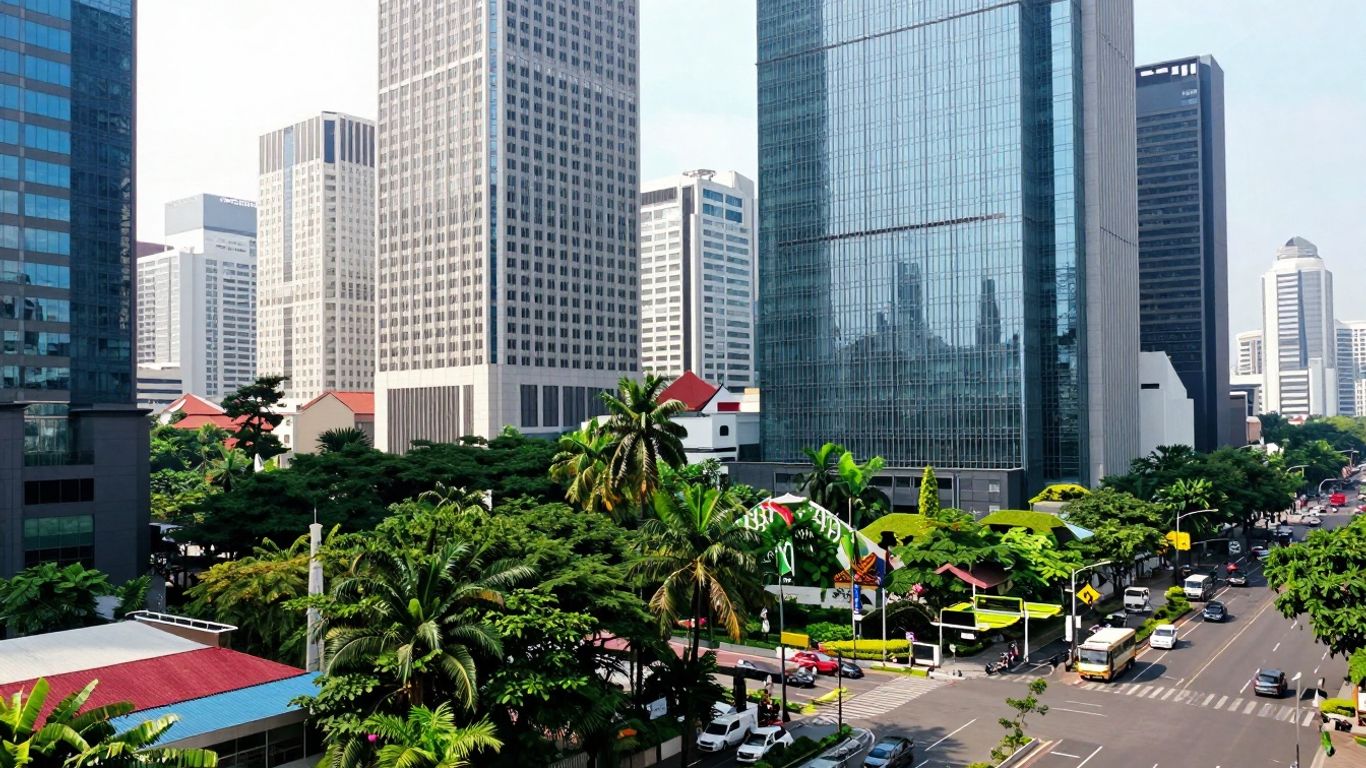
So, you’re thinking about putting some money into Indonesia? It’s a big country, and things are always changing there, especially when it comes to foreign investment. We’ve seen a lot of shifts lately, with the government trying to make things easier for investors, but there are still some tricky bits to watch out for. This article breaks down what’s happening right now with foreign investment in Indonesia, looking at where the good opportunities are and what the future might hold. We’ll cover the latest rules, the hot sectors, and how to actually make it work without hitting too many roadblocks. Foreign investment Indonesia is a hot topic, and for good reason.
Key Takeaways
- Indonesia’s economy is expected to keep growing, mostly thanks to folks buying things locally and businesses investing more. Manufacturing and digital services are big players here.
- Keep an eye on downstream commodities, especially nickel and anything related to electric vehicles, plus the booming digital economy. These areas show a lot of promise.
- What happens after the election, particularly with government spending and infrastructure plans, will really shape how confident investors feel.
- The value of the Indonesian Rupiah and how easily money can move in and out of the country are important signals. Smart investors need to understand these currency movements.
- Getting the right licenses and dealing with different rules across various regions can still be a challenge, so local knowledge is super important.
Navigating Indonesia’s Evolving Investment Landscape
Understanding the Latest Positive Investment List
Indonesia’s approach to foreign investment is dynamic, with policies frequently updated to align with national development goals. A key document for any investor is the "Positive Investment List" (Daftar Positif Investasi – DPI). This list outlines sectors open to foreign participation, specifying ownership limits, which can range from fully open to restricted. Staying current with the DPI is not just advisable; it’s a necessity for identifying viable investment opportunities and understanding sector-specific access. While many sectors have seen liberalization, allowing for 100% foreign ownership, certain strategic industries still maintain limitations. Careful review of the latest iteration of this list is the first step in assessing market entry feasibility.
Assessing Banking and Remittance Infrastructure
For foreign investors, the efficiency and reliability of the financial infrastructure are paramount. Indonesia’s banking sector, particularly in major urban centers, is generally well-developed. However, for substantial capital movements or operations extending beyond these hubs, a deeper assessment of remittance services and international banking capabilities is required. This involves looking at:
- The speed and cost of international fund transfers.
- The availability of multi-currency accounts.
- The capacity of banks to handle large-scale transactions.
- The regulatory framework governing capital flows and repatriation.
Understanding these aspects helps in planning operational finances and managing cash flow effectively.
New Digital Finance Regulations and Investor Safeguards
The rapid expansion of Indonesia’s digital economy, especially in fintech, has prompted a parallel evolution in regulatory frameworks. For foreign investors eyeing this space, keeping abreast of new rules is critical. These regulations often cover:
- Digital payment systems and e-wallets.
- Peer-to-peer (P2P) lending platforms.
- Data privacy and cybersecurity requirements.
- Regulations concerning crypto-assets and blockchain technology.
These evolving rules aim to provide a more structured environment and introduce safeguards for both consumers and investors. Navigating this complex regulatory terrain requires diligence to ensure compliance and to capitalize on the protections offered.
Key Sectors Attracting Foreign Investment
Indonesia’s economic growth is increasingly fueled by foreign capital flowing into specific industries. While the country has opened up many areas to foreign ownership, certain sectors are seeing particularly strong interest. Understanding where this investment is going can offer a clearer picture of the nation’s development trajectory.
Manufacturing and Downstream Commodities Potential
Indonesia is making a significant push to move beyond simply extracting raw materials. The focus is shifting towards developing downstream industries, especially for its rich natural resources like nickel. This strategy aims to add value domestically, create more jobs, and improve the country’s export profile. The government is actively encouraging foreign direct investment in processing facilities and smelters. They’re using incentives like tax breaks and streamlined permits, particularly for projects located in special economic zones. The goal is to build domestic capacity and bring in new technologies.
- Nickel processing for EV batteries
- Green technology manufacturing
- Food processing and agricultural value-addition
The government’s policy is to attract FDI that not only brings capital but also transfers technological know-how, making Indonesia a more competitive player in global supply chains.
Digital Economy Growth and Startup Ecosystem
The digital transformation is in full swing across Indonesia. A young, tech-savvy population is driving rapid expansion in areas like e-commerce and fintech. While Jakarta remains the primary hub for innovation, other cities are also emerging as important centers. The adoption of technologies like Artificial Intelligence (AI) is still developing in some older industries, but it’s gaining ground in customer service, logistics, and data analysis within the tech sector. The success stories of local startups, including those reaching unicorn status, are sending positive signals to international investors, showing the market’s potential and viable paths to returns.
- E-commerce platforms
- Fintech solutions (payments, lending)
- Logistics and supply chain technology
- Edtech and healthtech services
Tourism and Creative Sectors as Growth Engines
Beyond the industrial and digital spheres, Indonesia is also looking to its natural beauty and cultural richness to drive economic growth. The tourism sector, encompassing everything from world-class beaches to unique cultural experiences, continues to attract investment. Similarly, the creative economy, which includes areas like film, music, and digital content creation, is being recognized for its potential. Efforts are underway to support these sectors through infrastructure development and promotional campaigns, aiming to attract both domestic and international visitors and creators.
Strategic Considerations for Foreign Direct Investment
Market Entry Models and Partnership Strategies
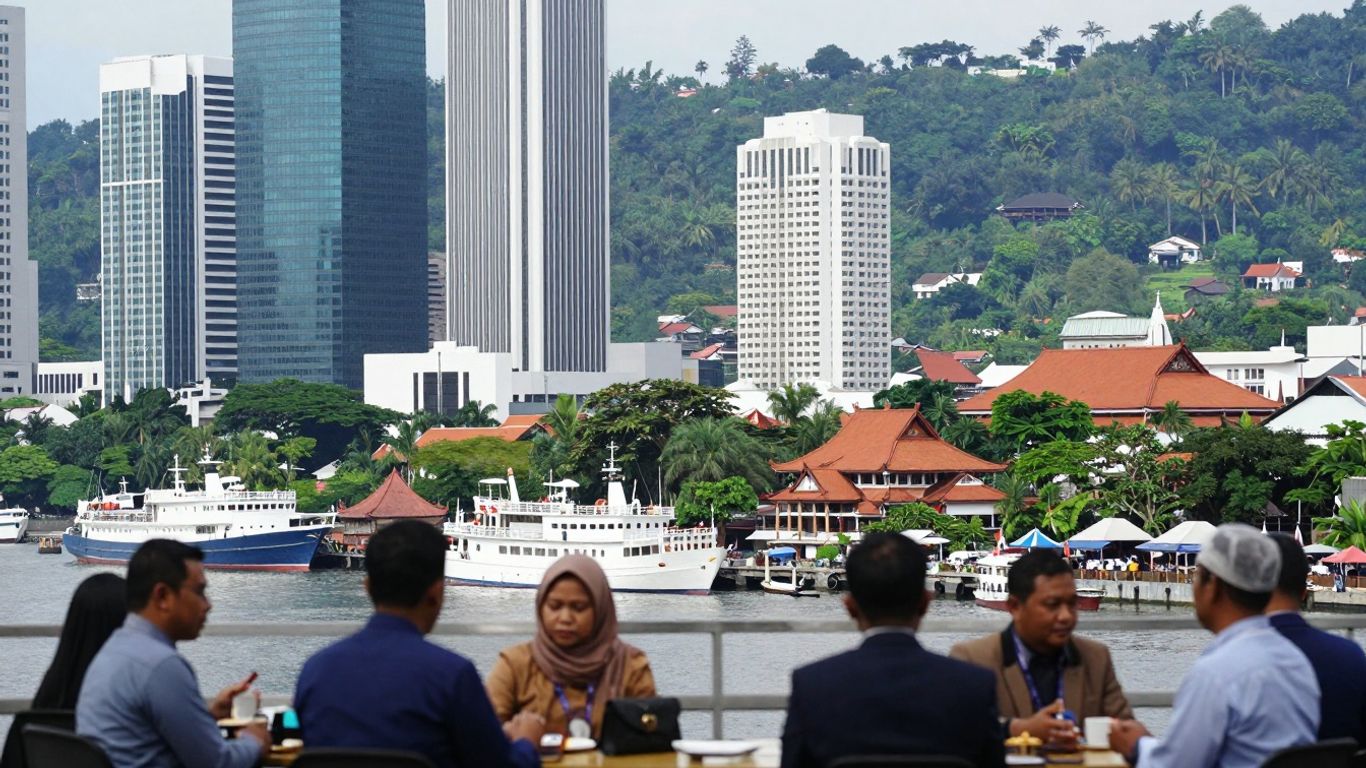
When looking to invest in Indonesia, figuring out the best way to get your foot in the door is pretty important. You’ve got a few main paths, and each has its own set of pros and cons. Simply setting up shop on your own is an option, especially if you’re in a sector that’s fully open to foreign ownership. But often, teaming up with a local player makes a lot more sense. This could mean a joint venture (JV) or a strategic alliance. Choosing the right local partner is probably the most critical decision you’ll make. It’s not just about their bank account; you need to look at their reputation, how they’ve acted in the past, if they actually know how to run the business, and if your long-term goals line up. Don’t forget to tap into local networks – they often know things that aren’t written down anywhere.
Government Engagement and Incentive Tapping
Dealing with the government is a big part of investing anywhere, and Indonesia is no different. The Investment Coordinating Board (BKPM) is your main point of contact for investment matters. But depending on your industry, you might also need to connect with local business groups or even state-owned companies. Building good relationships here isn’t just about filling out forms; it’s about showing how your investment fits with what Indonesia wants to achieve, both nationally and regionally. It takes a bit of cultural awareness and a commitment that goes beyond just a quick meeting.
Engaging with government bodies effectively means understanding their priorities and demonstrating how your project aligns with national development goals. This often requires a nuanced approach that builds trust and shows long-term commitment, rather than just focusing on immediate transactional benefits.
Custom Investment Incentives in Industrial Zones
Beyond the standard incentives that are available to most investors, there’s often room to negotiate special packages, especially if you’re making a large, strategic investment or setting up in a designated industrial zone or a Special Economic Zone (SEZ). These custom deals can include things like tax breaks, help with infrastructure development, or faster permit approvals. It’s worth exploring these possibilities, as they can significantly impact your project’s financial viability and operational smoothness.
Here’s a look at potential incentives:
- Tax Holidays: Temporary relief from corporate income tax.
- Import Duty Exemptions: For capital goods and raw materials.
- Streamlined Permits: Faster processing for licenses and approvals within SEZs.
- Infrastructure Support: Government assistance with utilities, roads, or logistics within designated zones.
These tailored incentives can make a big difference for large-scale projects looking to establish a strong presence in Indonesia.
Understanding Investment Risks and Mitigation
Market and Sector-Specific Volatility Signals
Foreign investment isn’t always a smooth ride. Indonesia’s market, like any emerging economy, can experience ups and downs. These aren’t necessarily red flags, but more like signals to pay attention. For instance, shifts in commodity prices can directly impact investments in mining or agriculture. Similarly, rapid changes in consumer behavior can affect the retail and digital sectors. Understanding these sector-specific dynamics is key to anticipating potential volatility. It’s about knowing where the ground might shift before you build.
Investors need to look beyond broad economic forecasts and drill down into the specific risks tied to their chosen industry. This might involve tracking global supply chain disruptions, changes in local demand patterns, or even the impact of weather on agricultural output. A nuanced view helps in planning.
Regulatory Inconsistency and Provincial Governance
Indonesia is a vast archipelago, and while national policies set the tone, local implementation can vary. This means regulations that seem clear on paper might be interpreted or applied differently from one province to another. This can create confusion and delays, especially when dealing with permits or land acquisition. It’s like following a recipe where each chef adds their own twist.
- Central vs. Local Enforcement: Be aware that national regulations might not always align perfectly with provincial or district-level practices.
- Land Rights and Zoning: Local land laws and zoning regulations can differ significantly, impacting property development and resource access.
- Permitting Processes: The time and requirements for obtaining business permits can vary, requiring local knowledge.
Licensing Bottlenecks in Key Industries
While Indonesia has made strides in streamlining business processes, particularly with the Online Single Submission (OSS) system, obtaining all necessary licenses can still take time. This is especially true in sectors like manufacturing, mining, and fintech, which often have complex regulatory frameworks. Patience and good local guidance are often needed to navigate these processes effectively. It’s not about finding shortcuts, but about being well-prepared and understanding the typical timelines and requirements.
Common Bottlenecks:
- Manufacturing: Obtaining environmental permits, building permits, and operational licenses.
- Mining: Securing exploration and exploitation permits, along with environmental impact assessments.
- Fintech: Navigating regulations related to digital payments, data privacy, and anti-money laundering (AML).
It’s often helpful to work with local consultants or legal advisors who have experience with these specific licensing procedures. They can help anticipate potential delays and ensure all documentation is in order from the start.
Financial Dynamics and Capital Mobility
Understanding the financial currents in Indonesia is pretty important for anyone looking to invest. It’s not just about the big picture economic numbers; it’s about how money moves, what the local currency is doing, and how easy it is to get your profits out. These factors can really shape the success of an investment.
What the Rupiah’s Movements Reveal
The Indonesian Rupiah (IDR) is often seen as a kind of indicator for how foreign investors feel about the country’s economy. When the Rupiah is strong, it can signal confidence, but it also makes Indonesian exports a bit more expensive for buyers using other currencies. On the flip side, a weaker Rupiah can boost exports but makes imports pricier, potentially feeding into inflation. Keeping an eye on the Rupiah’s fluctuations is key to understanding the broader economic health and potential risks. It’s not just about the exchange rate itself, but what drives it – things like global commodity prices, interest rate changes in major economies, and Indonesia’s own trade balance.
Inflation Linkages and Trade Competitiveness
Inflation and the Rupiah are pretty closely tied. High inflation in Indonesia can weaken the currency as the purchasing power of the Rupiah decreases. This, in turn, affects trade. If Indonesian goods become too expensive due to a combination of inflation and currency strength, it can hurt export volumes. Conversely, if the Rupiah weakens significantly, imported raw materials become more costly, which can push up production costs for manufacturers and contribute to domestic inflation. It’s a bit of a balancing act for policymakers.
Here’s a quick look at how these can interact:
- Currency Depreciation: Can make exports cheaper, potentially increasing demand.
- Inflationary Pressures: Can increase production costs for businesses.
- Import Costs: Rise with a weaker currency, impacting businesses that rely on imported components.
- Investor Sentiment: Can be swayed by perceived economic stability, which is influenced by both inflation and currency value.
Capital Controls, Flow Regulations, and Entry Barriers
Indonesia has generally been open to foreign investment, but there are still rules and regulations around how capital can move in and out of the country. While profit repatriation is usually allowed, understanding the specific procedures, documentation, and any potential timelines is important. Sometimes, there are limits on foreign ownership in certain sectors, which acts as an entry barrier. It’s always a good idea to check the latest regulations, especially concerning:
- Repatriation rules: How and when profits can be sent back to the home country.
- Ownership caps: Limits on how much of a company a foreign entity can own.
- Reporting requirements: What information needs to be submitted to authorities.
Navigating these financial regulations requires careful planning. It’s not just about the initial investment, but also about the long-term management of funds and ensuring compliance with Indonesian financial laws. Getting this right can prevent unexpected costs or delays down the line.
Future Outlook for Foreign Investment in Indonesia

Looking ahead, Indonesia’s economic trajectory suggests a continued, albeit nuanced, appeal for foreign investors. The nation’s growth is expected to remain robust, largely fueled by domestic consumption and ongoing infrastructure development. This steady expansion provides a stable backdrop, but the real story lies in the evolving composition of that growth and how policy shifts might shape the investment climate.
Economic Growth Forecast and Sector Composition
Projections indicate that Indonesia’s economy will maintain a healthy growth rate, likely hovering around the 5% mark in the coming years. This expansion isn’t just about overall GDP; it’s about where that growth is coming from. While traditional sectors like manufacturing and trade will continue to play a role, the digital economy is increasingly becoming a significant contributor. Expect to see more capital flowing into tech startups, e-commerce platforms, and related digital infrastructure. Downstream commodity processing, particularly in areas like nickel and electric vehicle supply chains, also presents a compelling narrative for investors looking to capitalize on Indonesia’s resource wealth and its role in global green transitions.
Post-Election Policy Direction and Investor Confidence
The political landscape, especially following recent elections, will be a key determinant of investor sentiment. Policies focusing on fiscal discipline, continued infrastructure investment, and regulatory clarity will be paramount. A clear and consistent policy framework is more attractive to foreign capital than fluctuating directives. Investors will be watching closely for signals that indicate a stable and predictable environment for doing business. Any moves towards greater transparency and streamlined bureaucratic processes will likely boost confidence and encourage longer-term commitments.
Human Capital Development and Skill Alignment
Indonesia’s long-term economic aspirations, including its goal of becoming a high-income nation by 2045, hinge significantly on its human capital. While the country has a large, young population, there’s a growing emphasis on developing specialized skills that align with the needs of modern industries, especially in the digital and advanced manufacturing sectors. Foreign investors will find it beneficial to consider how their operations can contribute to, and benefit from, these upskilling initiatives. A workforce that is increasingly skilled and adaptable is a major draw for sectors requiring specialized knowledge and technical proficiency. This focus on skill alignment is becoming a critical factor in assessing the sustainability of investment returns.
Looking Ahead
So, Indonesia’s investment scene in 2025 is shaping up to be a mixed bag. On one hand, the government’s push to open up more sectors and simplify rules is a good sign for foreign capital. We’re seeing real interest in areas like manufacturing, especially with the focus on downstream processing of resources like nickel, and the digital economy continues to boom. However, it’s not all smooth sailing. Investors still need to keep a close eye on how regulations play out on the ground, especially the differences between central and local rules. Currency swings and getting the right permits can also be tricky. Basically, if you’re thinking about investing here, doing your homework and understanding the local landscape is still super important. It’s a market with potential, but you’ve got to be smart about how you approach it.
Frequently Asked Questions
What is the ‘Positive Investment List’ and why is it important for foreign investors in Indonesia?
The ‘Positive Investment List’ is like a guide that tells foreign investors which business areas are open for investment and what rules apply. Some areas are fully open to foreign companies, while others have limits or are reserved for local businesses. Knowing this list helps investors understand where they can invest and what requirements they need to meet.
How does Indonesia’s banking and money transfer system support foreign investments?
Indonesia has a growing banking system, especially in big cities. This makes it easier for foreign investors to manage their money. However, for big money movements or operations in less developed areas, it’s important to check if the systems for sending money internationally and banking services are strong enough. This is a key step before investing.
What are the main sectors in Indonesia that are attracting a lot of foreign money right now?
Several sectors are really drawing in foreign investment. Manufacturing, especially turning raw materials like nickel into finished goods for things like electric car batteries, is a big one. The digital world, including online shopping and money apps, is booming too, thanks to Indonesia’s young, tech-savvy population. The tourism and creative industries are also growing fast and creating opportunities.
What are some common problems foreign investors face in Indonesia, and how can they deal with them?
Sometimes, rules can be different between the national government and local governments, which can be confusing. Getting all the necessary permits, especially for big projects in areas like manufacturing or mining, can also take time. To handle these issues, investors need to be patient, do thorough research, and often get help from local experts who understand the system.
How does the value of Indonesia’s currency, the Rupiah, affect foreign investments?
The Rupiah’s value is like a signal for how investors feel about the Indonesian economy. When the Rupiah goes up or down a lot, it can make Indonesian products cheaper or more expensive to buy for people in other countries. This affects how much money foreign investors can make and the cost of their investments. It’s important for investors to watch the Rupiah closely and have plans to manage the risks.
What is the future outlook for foreign investment in Indonesia, especially after recent elections?
The future looks promising, with steady economic growth expected. The government’s policies after the election will be important for keeping investors confident. Indonesia is also working on improving its education and job training to make sure its workers have the skills needed for the growing industries. This focus on people and skills, along with economic growth, should continue to attract foreign investment.
Related Article

Unlock Your Dream: Investing in Indonesian Island Property for Sale
Thinking about buying property in Indonesia? It’s a big country,...
Thinking about buying property in Indonesia? It’s a big country, made up of thousands of islands, so it’s easy to...

Exploring East Nusa Tenggara Real Estate: Your Guide to Properties in Paradise
Thinking about buying property in East Nusa Tenggara? It’s a...
Thinking about buying property in East Nusa Tenggara? It’s a region with a lot to offer, from stunning natural beauty...

Unlocking Potential: A Comprehensive Guide to Sumba Island Investment Opportunities
Thinking about putting money into a new spot? Sumba Island...
Thinking about putting money into a new spot? Sumba Island investment is starting to get some serious buzz. It’s this...
