
Discover Your Dream Property: How to Buy Land in Sumba, Indonesia

marcell
December 4, 2025
18 min read
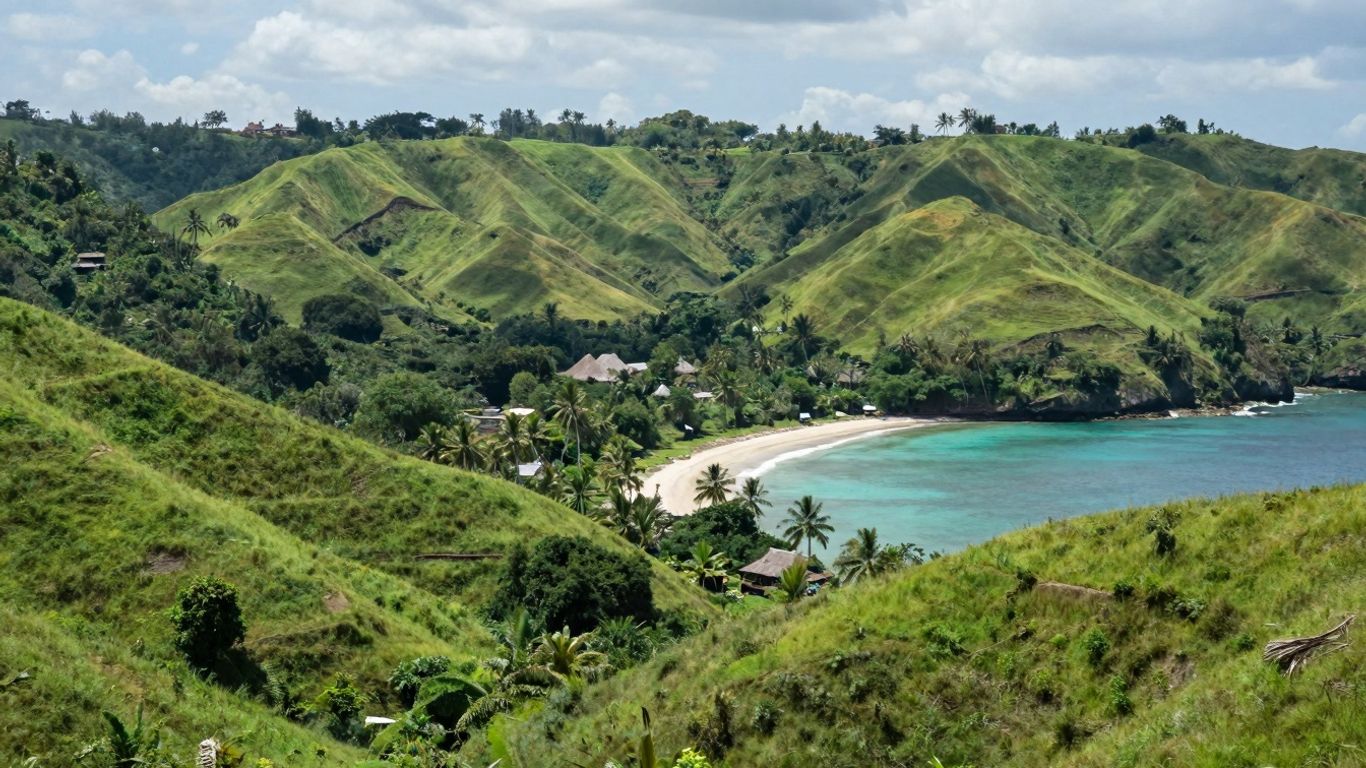
So, you’re thinking about buying land in Sumba, Indonesia? It’s a pretty amazing place, right? With its wild beaches and cool vibes, it’s easy to see why people are drawn to it. But buying property there, especially as a foreigner, isn’t quite like buying a house back home. It takes some homework. This guide is here to help you figure out the basics, from understanding the rules to what to look out for, so you can make a smart move and maybe find your own slice of paradise.
Key Takeaways
- Foreigners can’t own land outright in Indonesia, but legal options like Hak Pakai (Right to Use) or long-term leases are available. Setting up a PMA company or joint ventures are other routes.
- Thorough legal checks are vital. Verify land titles, check for overlapping claims, and confirm boundaries. Don’t skip the zoning laws – make sure you can build what you want.
- Sumba offers diverse property types, from beachfront villas and eco-resorts to private rural retreats. Consider what kind of property fits your vision and budget.
- Factor in all costs: land price, transaction fees (notary, taxes), and building expenses. Local knowledge is key to understanding these costs and navigating the process.
- Building on your land involves understanding local material availability, skilled labor, and potential construction costs. Also, consider the long-term development of the area and community aspects.
Understanding Foreign Ownership Regulations
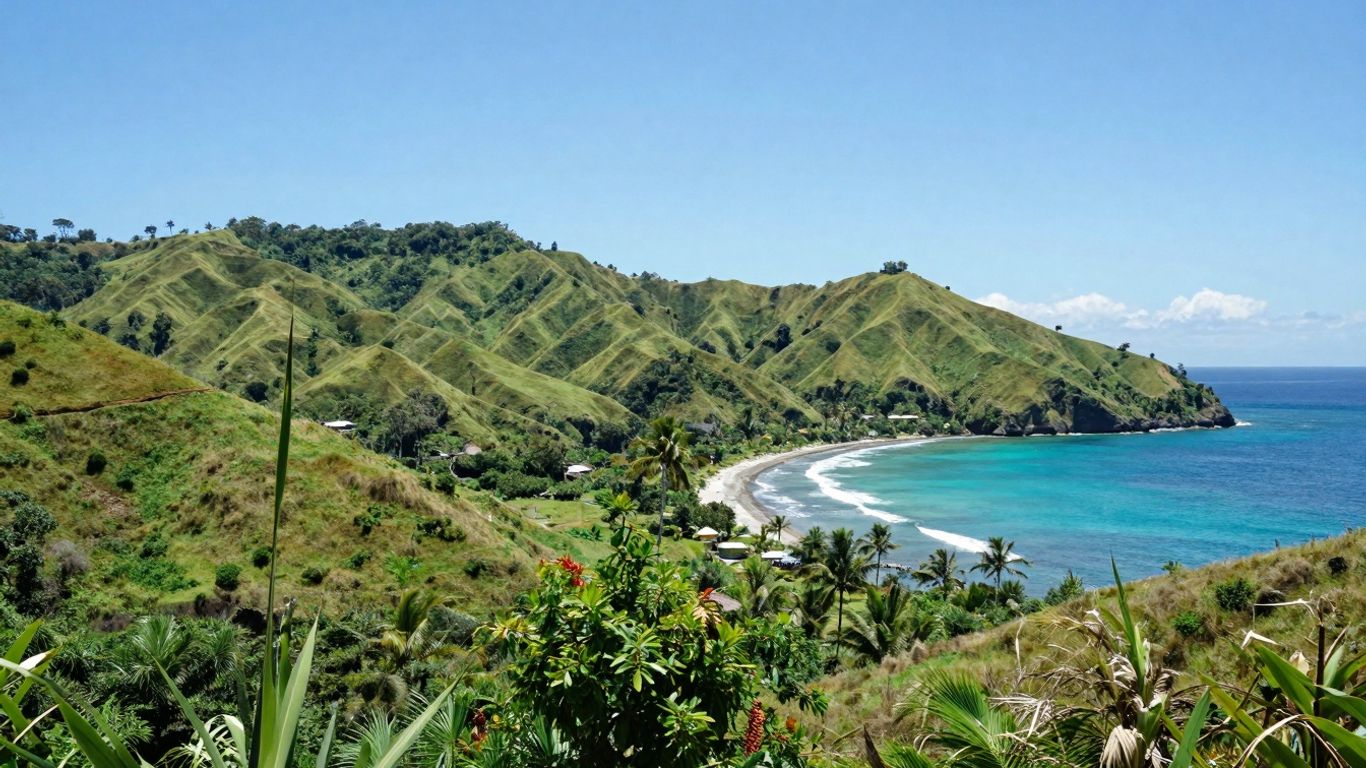
Buying land in Indonesia, including the beautiful island of Sumba, comes with specific rules for foreigners. It’s not quite as straightforward as buying property back home, but there are definitely legal ways to secure your piece of paradise. The main thing to remember is that direct freehold ownership, known as ‘Hak Milik’, isn’t typically available to foreign individuals. However, this doesn’t mean you’re out of options. Several established legal pathways allow foreigners to acquire and control land.
Legal Pathways for Foreigners
Foreigners looking to invest in Sumba have a few primary legal routes. Each has its own structure and implications, so understanding them is key to making an informed decision. It’s always best to work with legal professionals who specialize in Indonesian property law to ensure everything is handled correctly.
- Hak Pakai (Right of Use): This is a common and legally sound option. It grants you the right to use and occupy a piece of land for a set period. Initially, this right is usually granted for up to 30 years, with the possibility of extensions, potentially bringing the total duration up to 80 years. It’s a secure way to have long-term use of the property.
- Leasehold Agreements: Similar to Hak Pakai, leasehold involves renting the land from the owner for an extended period. These agreements can be negotiated for durations of 50, 80, or even 100 years, depending on the terms agreed upon with the landowner. This provides long-term control without direct ownership.
- PMA Companies and Joint Ventures: For more substantial investments, setting up a PMA (Penanaman Modal Asing) company, which is a foreign-invested company, can be an option. This allows the company to own land under Indonesian law. Alternatively, a joint venture with an Indonesian partner can be established, though this requires a high degree of trust and a very clear legal agreement.
Understanding Hak Pakai and Leasehold
Both Hak Pakai and leasehold agreements offer foreigners the ability to control and use land in Sumba for extended periods. Hak Pakai is a government-issued right, while leasehold is a contractual agreement directly with the landowner. The duration and terms can vary significantly. It’s important to clarify the exact length of the right or lease, the conditions for extension, and what happens at the end of the term. These agreements are often the most practical and secure methods for foreigners looking to invest in land for personal use or development.
The Role of PMA Companies and Joint Ventures
Establishing a PMA company is a more complex route, often suited for larger commercial projects or significant developments. It involves setting up a legal business entity in Indonesia, which then has the capacity to acquire land. Joint ventures with local partners offer another avenue, pooling resources and local knowledge. However, these arrangements demand careful legal structuring and a strong, trusting relationship with your Indonesian partner to avoid future disputes. Investors from various Indonesian cities and abroad are acquiring land for long-term investment, and these structures can facilitate that growing trend in real estate acquisition.
When considering these options, always consult with a reputable Indonesian lawyer and a notary (PPAT). They are essential for verifying land titles, understanding zoning laws, and ensuring your agreement is legally sound and protects your investment.
Navigating the Property Purchase Process

Buying land in Sumba involves several steps, and it’s wise to approach each one with care. It’s not quite like buying property back home, so understanding the local way of doing things is key.
Initial Research and Area Selection
Before you even think about looking at specific plots, spend time understanding the different areas of Sumba. Each region has its own character. Some places, like Wainyapu, are known for their stunning coastlines, while others offer more rural, secluded vibes. Think about what you want from your property – is it a beachfront escape, a place for an eco-resort, or a quiet rural retreat? Researching popular spots like Marosi or Waitabula can give you a good starting point. It’s also helpful to look into areas with growing tourism potential, as this can impact future value. For those interested in finding vetted land opportunities, Invest Land Sumba offers guidance.
Conducting Thorough Legal Due Diligence
This is perhaps the most important phase. You absolutely need to verify that the land title is clean and that there are no overlapping claims or inheritance disputes. This means checking for a valid certificate, like a Hak Milik (freehold) or Hak Guna Bangunan (HGB). It’s also vital to confirm the land isn’t designated as protected forest or a conservation area, as this can severely restrict building. You’ll want to check zoning maps or consult with local public works offices.
Always engage a qualified legal representative or a trusted notary (PPAT) to conduct this due diligence. They can help uncover any hidden issues, debts, or liens associated with the property.
Land Surveying and Documentation Verification
Once the legal status seems clear, the next step is to confirm the physical boundaries of the land. A proper survey is necessary to ensure the documentation matches the actual plot. In some more remote parts of Sumba, detailed records might be scarce, so extra diligence here is a good idea. You need to be sure the seller’s identity matches the land certificate and that all necessary parties, like heirs if applicable, have agreed to the sale.
The Transaction Process with a Notary
After all the checks are done and you’re satisfied, the actual purchase transaction will be handled by a Notary (PPAT). This official ensures that all the paperwork is correctly prepared and registered according to Indonesian law. They will facilitate the signing of the sale and purchase agreement and the transfer of ownership. Be prepared for notary fees and taxes, which are part of the overall transaction costs. It’s common for these fees and taxes to add up to around 10% of the property’s value.
Exploring Property Types in Sumba
Sumba offers a diverse range of property types, catering to various investment goals and lifestyle preferences. Whether you’re drawn to the allure of the ocean, the tranquility of nature, or the potential for unique developments, there’s likely a fit for you on this captivating island.
Beachfront Villas and Coastal Properties
For many, the dream of owning property in Sumba begins with the sound of waves and endless ocean views. Coastal areas, particularly in regions like Wainyapu and Marosi, are prime locations for beachfront villas. These properties often come with direct access to pristine sands and are ideal for those seeking a private holiday home or a rental income property targeting the luxury tourism market. The demand for high-quality beachfront accommodation is growing, making these spots attractive for investors. However, it’s important to consider the potential impact of coastal erosion and ensure any development adheres to environmental guidelines.
Eco-Resorts and Boutique Developments
Sumba’s untouched natural beauty makes it a perfect canvas for eco-resorts and boutique developments. Investors are increasingly looking at opportunities to create sustainable tourism projects that blend harmoniously with the environment. This could range from small-scale glamping sites to larger resorts focused on wellness and adventure. The island’s reputation for its unique culture and landscapes provides a strong foundation for such ventures. Developing these types of properties often requires a keen eye for design that respects the local aesthetic and a commitment to sustainable practices.
Rural Estates and Private Retreats
Beyond the coast, Sumba’s interior offers vast expanses of rolling hills and serene countryside, perfect for those seeking privacy and space. Rural estates and private retreats are ideal for individuals or groups looking for a secluded getaway. These properties can range from traditional Sumbanese-style homes to modern architectural marvels set amidst expansive land. Owning a rural estate might also involve opportunities for agricultural ventures or simply enjoying the peace and quiet of island life. Access to amenities and infrastructure can be more limited in these areas, so thorough planning is necessary.
Here’s a look at some general cost considerations:
| Property Type | Typical Price Range (USD) | Key Considerations |
|---|---|---|
| Beachfront Villa Plot | $100,000 – $500,000+ | Ocean access, zoning, potential development restrictions |
| Eco-Resort Land | $50,000 – $300,000+ | Size, natural features, accessibility, environmental impact |
| Rural Estate / Large Plot | $30,000 – $200,000+ | Privacy, land use, infrastructure, remoteness |
When exploring property types, it’s wise to visit potential locations at different times of the year to understand seasonal weather patterns and local activity. This firsthand experience can offer insights that documentation alone cannot provide, helping you make a more informed decision about your investment in Sumba Island, Indonesia.
Key Considerations for Your Investment
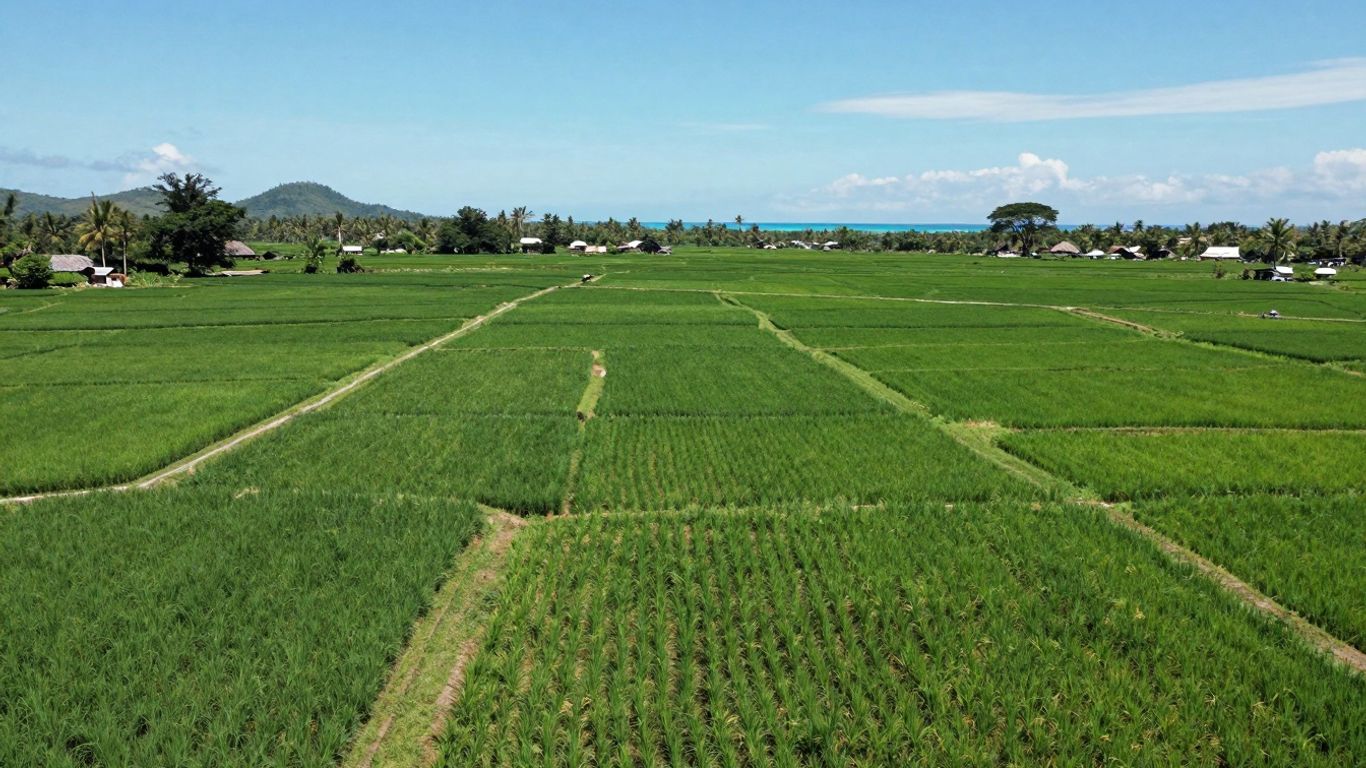
Buying land in Sumba is an exciting prospect, but it requires careful thought about the practicalities. It’s not just about the purchase price; you need to look at the whole picture to make sure your investment makes sense long-term.
Understanding Land and Transaction Costs
Beyond the sticker price of the land itself, there are several other costs to factor in. These include taxes, notary fees, and potential legal assistance. It’s wise to get a clear breakdown of all these expenses upfront. Remember, the initial land price is just one piece of the puzzle.
Here’s a general idea of what to expect:
- Land Purchase Price: Varies greatly by location and size.
- Notary Fees: Typically a percentage of the transaction value.
- Taxes: Including transfer taxes and potential annual land taxes.
- Legal Fees: If you engage lawyers for due diligence or contract review.
- Permit Fees: For any future development plans.
Anticipating Development and Building Expenses
If your plan involves building on the land, this is where costs can really add up. Sumba’s developing infrastructure means some materials might need to be imported, impacting timelines and budgets. It’s important to research local construction costs and the availability of skilled labor. Getting detailed quotes for your intended build is a smart move before committing to the land purchase.
Consider these points for development:
- Material Sourcing: Are key building materials available locally, or will they need to be shipped in? Shipping costs can be significant.
- Labor Costs: What are the rates for local construction workers and supervisors? Is there a readily available pool of skilled tradespeople?
- Design and Permits: Factor in architectural fees and the cost of obtaining necessary building permits. Local regulations might influence your design choices.
- Utilities: Connecting to electricity, water, and waste management systems can incur substantial costs, especially in more remote areas.
Building on Sumba requires a realistic approach to costs. While the island offers incredible natural beauty, its developing infrastructure means you need to plan for logistics and potential import expenses for materials. Understanding these upfront can prevent budget overruns later on.
The Importance of Local Knowledge and Connections
Navigating the property market in a place like Sumba is much smoother with local insight. Connecting with people who understand the island’s culture, customs, and property laws can save you a lot of headaches. A good local agent or advisor can help you identify legitimate opportunities and avoid potential pitfalls. They often have access to land that isn’t publicly listed and can provide context on community dynamics. Building these relationships early on is highly recommended for a successful Sumba property investment.
- Local Real Estate Agents: Can provide market insights and access to listings.
- Community Leaders: Understanding local perspectives is key for smooth integration.
- Legal Advisors: Essential for verifying titles and understanding regulations.
- Builders and Contractors: Recommendations from locals can lead to reliable service providers.
Due Diligence and Potential Pitfalls
Verifying Land Titles and Ownership Claims
Buying land anywhere requires checking the paperwork, and Sumba is no different. You need to be absolutely sure that the person selling the land actually has the right to sell it. This means looking at the official land certificate, often called a ‘Sertifikat Hak Milik’ (SHM) for freehold title, or other forms of title like ‘Hak Pakai’ (right to use) or leasehold. It’s not just about seeing a piece of paper; you need to confirm that the name on the certificate matches the seller. If the land is inherited, all potential heirs should have agreed and signed off. Disputes over ownership are more common in areas where records aren’t perfectly kept, so extra care is needed.
Understanding Zoning Laws and Restrictions
Just because a piece of land looks perfect doesn’t mean you can build your dream villa on it. Indonesia has zoning laws, and Sumba is no exception. Some areas might be designated as protected forests, agricultural land, or conservation zones. Building in these areas can be difficult, expensive, or even impossible. You’ll want to check the local spatial planning regulations, often referred to as RTRW (Rencana Tata Ruang dan Wilayah). A local planning office or a good lawyer can help you understand what’s allowed on the specific plot you’re interested in. Building restrictions can also apply to the style or height of structures, especially in areas designated for tourism or environmental protection.
Ensuring Legal Access to Your Property
Imagine buying a beautiful plot of land only to find out you can’t actually get to it. This happens. You need to confirm there’s a legal right of way to the property. Is there a road? Is it a public road, or is it private land you’re crossing? Who is responsible for maintaining that road, and will you have to share it with others? Sometimes, a property might seem accessible, but the path could be through someone else’s land, leading to potential future conflicts. Always verify that the access is legally secured and practical for year-round use.
Awareness of Evolving Government Regulations
Indonesia’s legal landscape, including property laws, can change. What’s permitted today might be different in a few years. It’s wise to be aware that government policies can shift, especially concerning foreign investment and land use. Staying informed about potential changes in regulations, taxes, or development plans is part of responsible ownership. Working with legal professionals who are up-to-date on current laws and potential future changes can help you avoid unexpected issues down the line. It’s a good idea to ask your legal advisor about any upcoming infrastructure projects or policy shifts that might affect your investment.
Long-Term Vision and Community Aspects
Assessing the Future Development of the Area
When you’re looking at land in Sumba, it’s not just about what you see today. Think about what the area might look like in five, ten, or even twenty years. Sumba is developing, and understanding the trajectory of that growth is key. Are there plans for new infrastructure like better roads, more reliable power, or improved water systems? These things can significantly impact your property’s value and usability down the line. Also, consider the surrounding developments. Is it an area that’s attracting thoughtful, eco-conscious projects, or is it more haphazard? The island is gaining attention as a prime spot for eco-tourism, with new flights and infrastructure upgrades happening. Buying now means you’re getting in on the ground floor of what many believe is Indonesia’s next big destination.
Community Living Versus Solo Ownership
Deciding whether to buy into a community or go for a completely isolated plot is a big choice. Some people dream of total privacy, a place where they can truly get away from it all. Others thrive on connection and shared energy. If you’re looking at a development, ask about the setup. Are there shared spaces, like common gardens or recreational areas? Who handles the maintenance of shared roads or facilities? Are there any community rules or covenants you’ll need to follow? For instance, some developments have design guidelines to keep the aesthetic consistent and protect the natural beauty. Joining a community can mean shared support and a sense of belonging, which can be really nice when you’re far from home.
Planning Your Exit Strategy and Return on Investment
Even if you plan to build your dream home and stay forever, it’s smart to think about the future. What if your circumstances change? Can you legally rent out your property, either long-term or for holiday lets? How do you anticipate property values will change over the next decade? And if you decide to sell, what’s the process like? Sumba’s property market is still relatively new, but with limited land and growing interest, scarcity could work in your favor. Developments that are managed well and have a clear vision tend to see their value increase, rather than decrease, over time. It’s about making a smart investment, not just buying a piece of land.
- Future Value: Consider how infrastructure improvements and tourism growth might affect your property’s worth.
- Rental Potential: Investigate the legalities and practicalities of renting out your land or any structures you build.
- Resale Market: Understand what factors might influence the ease and profitability of selling your property later.
Sumba offers a unique investment opportunity. It’s raw and real, requiring careful research but promising significant rewards. Thinking through these long-term aspects now can save you a lot of trouble and missed opportunities later.
Your Sumba Dream Awaits
So, you’ve looked into buying land in Sumba. It’s a place with amazing beaches and a lot of natural beauty, and it’s becoming more popular. While it’s not as simple as buying a house back home, with the right steps and help, you can find your perfect spot. Remember to do your homework on the land, understand the legal side of things, and maybe get some advice from people who know the island well. Sumba offers a unique chance to invest in something special, whether it’s for a vacation home or a future project. Take your time, ask questions, and you might just end up with your own piece of paradise.
Frequently Asked Questions
Can foreigners actually buy land in Sumba?
Yes, but with some rules! Foreigners can’t own land outright like locals do. However, you can get long-term rights to use the land, like a lease for many years, or set up a special company to own it. It’s all about finding the right legal path.
What’s the most important thing to check before buying?
Always make sure the land has a clear title and no one else is claiming it. It’s super important to check that the seller is the real owner and that there are no arguments or debts tied to the land. Getting a legal expert to double-check everything is a must.
Are there different kinds of properties available in Sumba?
Definitely! You can find beautiful beach houses right by the ocean, cool eco-friendly resorts that blend with nature, or big, private pieces of land out in the countryside for a quiet escape. There are options for many different dreams.
What extra costs should I expect besides the land price?
Besides the price of the land itself, you’ll need to pay for things like notary fees, legal help, and taxes. If you plan to build, that’s a whole other cost to think about, including materials and workers. It’s good to budget a bit extra for these.
Why is it important to know local people or get local advice?
Sumba has its own culture and way of doing things. Having a local friend or agent who understands the island, the laws, and the people can make buying land much easier and help you avoid problems. They know the ins and outs!
What if I want to build on the land later?
Before you buy, find out if you’re allowed to build what you want. Check the local rules about zoning – what the land is approved for. Also, make sure there’s a clear and legal way to get to your property, like a road that’s always accessible.
Related Article

Unlock Your Dream: Investing in Indonesian Island Property for Sale
Thinking about buying property in Indonesia? It’s a big country,...
Thinking about buying property in Indonesia? It’s a big country, made up of thousands of islands, so it’s easy to...

Exploring East Nusa Tenggara Real Estate: Your Guide to Properties in Paradise
Thinking about buying property in East Nusa Tenggara? It’s a...
Thinking about buying property in East Nusa Tenggara? It’s a region with a lot to offer, from stunning natural beauty...
Unlocking Potential: A Comprehensive Guide to Sumba Island Investment Opportunities
Thinking about putting money into a new spot? Sumba Island...
Thinking about putting money into a new spot? Sumba Island investment is starting to get some serious buzz. It’s this...
