
Beyond Bali: Top Alternative Investment Destinations in Indonesia

marcell
January 1, 2026
20 min read
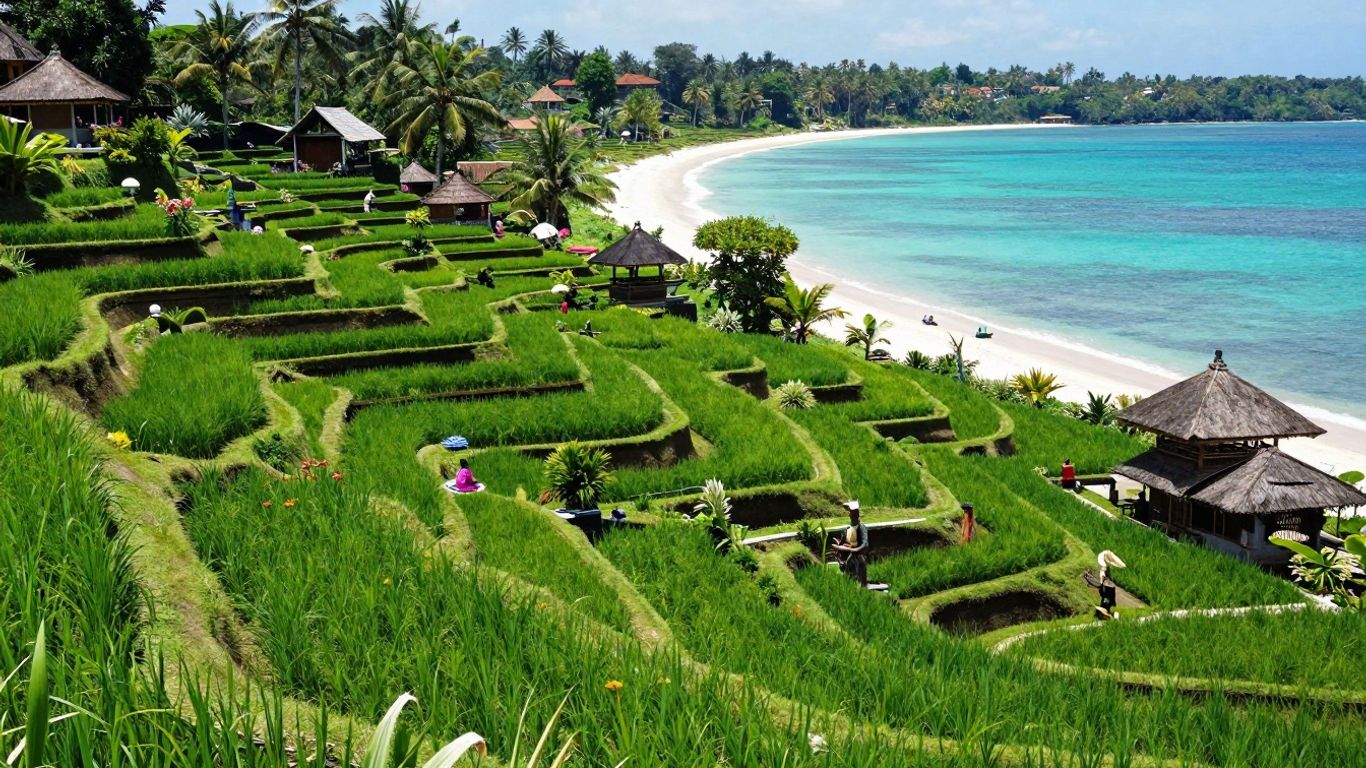
Sure, Bali is great. Everyone knows Bali. But what if you’re looking for something a little different? Maybe a place that feels a bit more untouched, or perhaps an investment opportunity that isn’t already priced to the moon? Indonesia has so much more to offer than just its most famous island. We’re talking about spots that have all the beauty and potential, but without the crowds. Think of it as finding the hidden gems before everyone else does. So, if you’re tired of the usual Bali scene and want to explore some real ‘Alternative to Bali investment’ options, stick around. We’ve got some ideas for you.
Key Takeaways
- Lombok is stepping into the spotlight as a major investment destination, offering lower costs and government support compared to Bali.
- The ’10 New Balis’ initiative highlights destinations like Lake Toba, Borobudur, Mandalika, Labuan Bajo, and Likupang as priority areas for tourism development.
- Areas within Bali itself, such as Sidemen, Amed, Pemuteran, and Munduk, provide quieter, more authentic experiences away from the main tourist hubs.
- Indonesia is actively working to attract foreign investment through visa programs and infrastructure improvements, especially in its priority tourism zones.
- Exploring these alternative locations means finding places with significant growth potential and unique cultural or natural attractions, often at a more accessible price point than Bali.
1. Lombok
Lombok, often overshadowed by its famous neighbor Bali, is rapidly stepping into the spotlight as a prime investment destination. This island offers a compelling mix of natural beauty, government support, and a more accessible entry point for investors. The Mandalika Special Economic Zone (SEZ) on the southern coast is a major draw, designated to boost tourism and related industries with incentives like tax breaks and streamlined licensing.
Compared to Bali, Lombok presents a more attractive financial landscape. Land and property prices are significantly lower, allowing your capital to go further. This also means less competition and more room for capital appreciation as the island develops. The tourism sector is on a strong growth trajectory, fueled by both domestic and international visitors, which in turn drives demand for accommodation and services.
Key areas to watch include:
- Mandalika: The flagship SEZ, offering integrated tourism, luxury resorts, and sports facilities. It’s already hosting major international events like MotoGP.
- Kuta Mandalika, Selong Belanak, and Senggigi: Popular beach and lifestyle areas with potential for villa and resort development.
- Northern Lombok & Gili Region: Long-standing tourist favorites, offering diverse tourism project possibilities.
- Upland Zones: Areas around Mount Rinjani are ideal for eco-tourism and wellness retreats, tapping into a growing market.
Foreign investors can explore property ownership through several structures, including Hak Pakai (Right to Use), Leasehold, or Hak Guna Bangunan (Right to Build) via a PT PMA (foreign-owned company). Each has its own validity period and suitability for different types of investment.
Lombok is no longer just Bali’s quieter neighbor; it’s emerging as a serious alternative with strategic government backing and untapped potential. Careful due diligence now could lead to significant growth and income generation.
2. Lake Toba
Lake Toba, nestled in North Sumatra, is a place that really makes you stop and stare. It’s the biggest volcanic lake in Southeast Asia, and honestly, it feels like a different world. Formed by a massive supervolcano eruption ages ago, it’s huge, covering over 1,100 square kilometers, with Samosir Island sitting right in the middle. The views here are just stunning, and the weather is usually pretty mild, which is a nice change.
This area is also home to the Toba Batak people, known for their unique culture and traditional houses. You can really feel the history and tradition all around.
Investment and Development
Lake Toba has been getting a lot of attention as one of Indonesia’s ‘Super Priority Destinations.’ The government has put in a good amount of money, around IDR 5-7 trillion as of 2023, to fix up the infrastructure. Think better roads, new ferry ports, and upgrades to Silangit Airport, which is the main airport for getting to the lake. They’re also working on basic services and making sure the natural beauty and cultural sites are looked after.
The focus is on making Lake Toba a top spot for both culture and nature tourism, drawing people in with its unique charm.
Getting There
Getting to Lake Toba is getting easier. You can fly into Kualanamu International Airport in Medan, and from there, it’s about a three-hour drive. Silangit Airport is much closer, just about 30 minutes away, and it has flights from Jakarta and Batam. There are also direct international flights from places like Kuala Lumpur and Singapore.
What to See and Do
Samosir Island is the main attraction, with places like Huta Siallagan and the Batak Museum where you can learn about the local culture. If you’re more into nature, check out Sipisopiso Waterfall or relax at Parbaba Beach. The lake itself is perfect for just taking in the scenery.
Accommodation
When it comes to places to stay, Lake Toba has a decent number of options, mostly in the mid-range and upscale categories. There aren’t any big international hotel brands here yet, but places like Marianna Resort and Convention, Labersa Hotel, and Hotel Niagara offer comfortable stays. It seems like there aren’t any major new international hotel projects planned for the near future.
Visitor Numbers
Visitor numbers have been looking good, especially after the pandemic. In 2023, they saw about 3.4 million visitors, which is actually more than before COVID-19, mostly thanks to domestic travelers. International visitors are also coming back, reaching 2019 levels in 2023. Events like the F1 Powerboat World Championship and the upcoming World Rally Championship are also helping to put Lake Toba on the map.
3. Borobudur
Borobudur, situated in Central Java near Yogyakarta, is more than just a historical site; it’s a massive Buddhist temple complex and a UNESCO World Heritage treasure. Built way back in the 9th century, it’s actually the biggest Buddhist temple on the planet. The government has really put a lot of focus on this area as a top tourism spot, pouring in significant funds to spruce things up.
Investment and Development:
As of 2023, around IDR 4-6 trillion has been invested in Borobudur and its surroundings. This money has gone into fixing up the temple itself, improving roads to make it easier to get here from Yogyakarta, and generally making the whole area nicer for visitors. They’re even developing new zones around the temple, planning for things like eco-resorts and nice places to eat.
Here’s a quick look at the investment:
| Investment Area | Amount (IDR Trillion) |
|---|---|
| Total Planned Investment (Pre-COVID) | 19-21 |
| Realised Investment (as of 2023) | 4-6 |
Accessibility
Getting to Borobudur is pretty straightforward now. Yogyakarta International Airport is the main gateway, with direct flights from major Indonesian cities like Jakarta and Bali, plus international routes from places like Kuala Lumpur and Singapore. Road access has also gotten much better, connecting the temple to the airport and other cultural spots.
Visitor Numbers
Before the pandemic, the Magelang Regency, where Borobudur is located, saw over 3.5 million visitors annually. While the numbers dipped during COVID-19, especially domestic travel, international visitors have bounced back to 2018 levels. The government’s efforts and the temple’s sheer magnificence mean it continues to draw crowds.
Borobudur’s appeal isn’t just the temple itself. Nearby sites like Mendut and Prambanan temples, plus natural attractions like Merapi Volcano, add to the region’s draw. It’s a place where history, culture, and nature really come together.
4. Mandalika
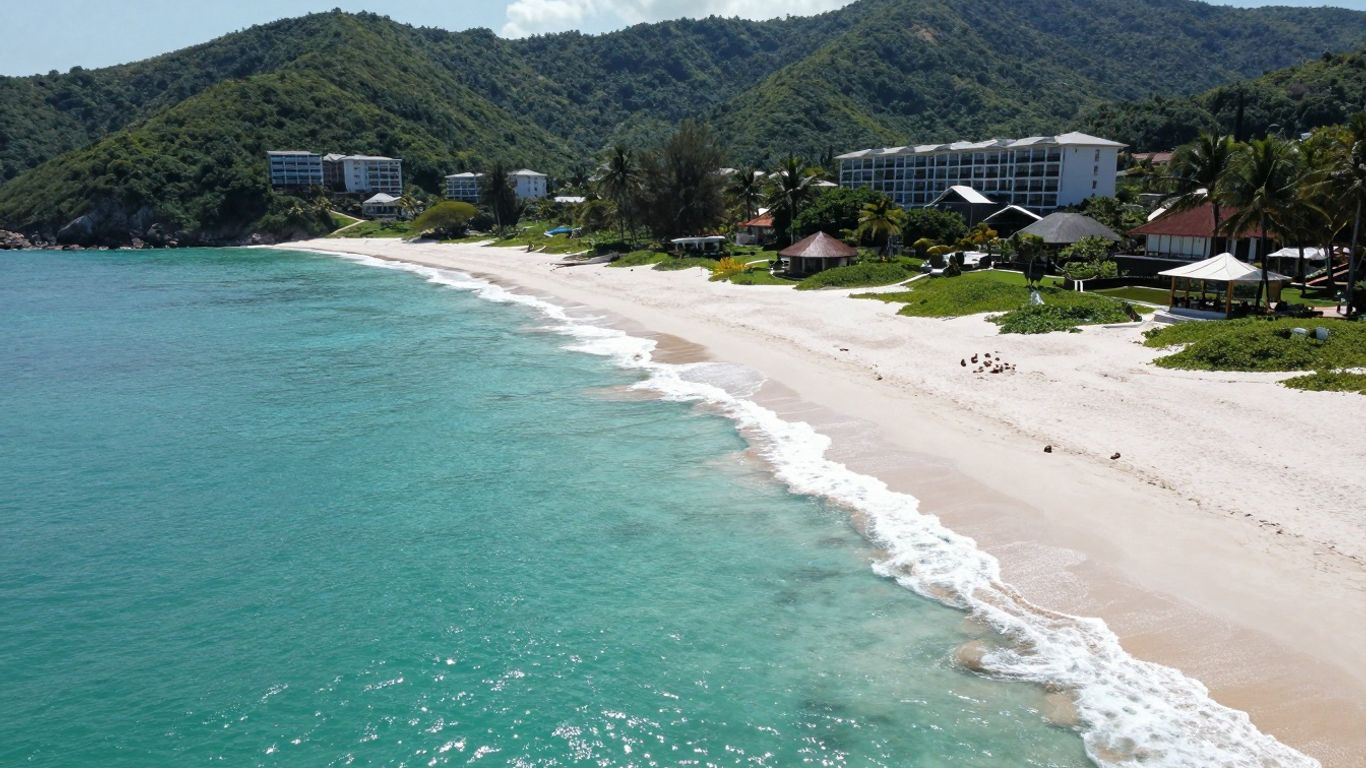
Mandalika, located on the southern coast of Lombok, is a Special Economic Zone (SEZ) that’s really making waves in Indonesia’s tourism scene. It’s a pretty big area, over 1,000 hectares, and the idea is to create a place that mixes fancy resorts, cultural spots, and even sports tourism.
One of the biggest draws is the Mandalika International Street Circuit. This place hosts big international racing events like MotoGP and the World Superbike Championship. These events bring in tons of visitors and put Mandalika on the global map.
Here’s a quick look at some of the growth:
| Year | Tourist Arrivals | Growth vs. Previous Year |
|---|---|---|
| 2023 | ~712,000 | N/A |
| 2024 | 1.2 million | 51.4% |
It’s not just about the racing, though. Mandalika boasts some seriously beautiful beaches and good surfing spots. The area is also working on integrating local Sasak culture and has programs to help the community.
Development here is pretty ambitious, with plans for hotels, theme parks, and eco-tourism zones. The government is offering incentives to investors, like tax breaks, to get things moving.
Getting to Mandalika is fairly straightforward, with Lombok International Airport just about 30 kilometers away. There are flights from major Indonesian cities and even some international connections. While the development is moving fast, there are still some things to sort out, like land issues and making sure everything grows in a way that’s good for the environment and the local people. Still, with all the investment and big events, Mandalika is shaping up to be a major player in Indonesian tourism.
5. Labuan Bajo
Labuan Bajo, situated on the western tip of Flores Island, has rapidly become a major tourism gateway, largely thanks to its proximity to the famous Komodo National Park. It’s not just about the dragons, though; the area offers a lot more for those looking to invest or explore beyond the usual spots. The town itself has seen significant upgrades, making it more accessible and equipped to handle growing visitor numbers.
The infrastructure development here has been substantial, aiming to position Labuan Bajo as a top-tier destination. This includes improvements to the airport and port, as well as roads connecting key sites. The focus is on attracting a higher value of tourism, which is reflected in the types of accommodations being developed. Many new hotels are in the upscale and midscale categories, suggesting a strategy to cater to a more discerning traveler.
Here’s a quick look at what’s happening:
- Visitor Growth: West Manggarai Regency, where Labuan Bajo is located, has seen impressive growth in visitor numbers, more than doubling 2019 figures in recent years. This surge is partly due to the international status granted to Labuan Bajo Airport and new hotel openings.
- Investment Focus: Significant public and private funds have been poured into the region, with key developments like the expansion of Komodo Airport and improvements to the waterfront. There’s a specific push for developing areas like the Parapuar tourism zone, aiming for sustainable growth.
- Accommodation Trends: The hotel market is expanding, with a notable increase in upscale and luxury options. Projections show a steady rise in room availability over the next few years, primarily driven by these higher-end segments.
Labuan Bajo’s transformation is a clear example of Indonesia’s strategy to develop key tourism hubs. The investment in infrastructure and the focus on quality tourism experiences are shaping its future as a significant destination. The area is becoming more connected, with direct flights from major cities and even some international routes, making it easier for people to experience what it has to offer.
For investors and travelers alike, Labuan Bajo presents a dynamic picture. Its natural beauty, combined with ongoing development and a clear government strategy, makes it an interesting place to watch. The commitment to sustainable tourism practices within places like Komodo National Park is also a positive sign for the region’s long-term appeal.
6. Likupang
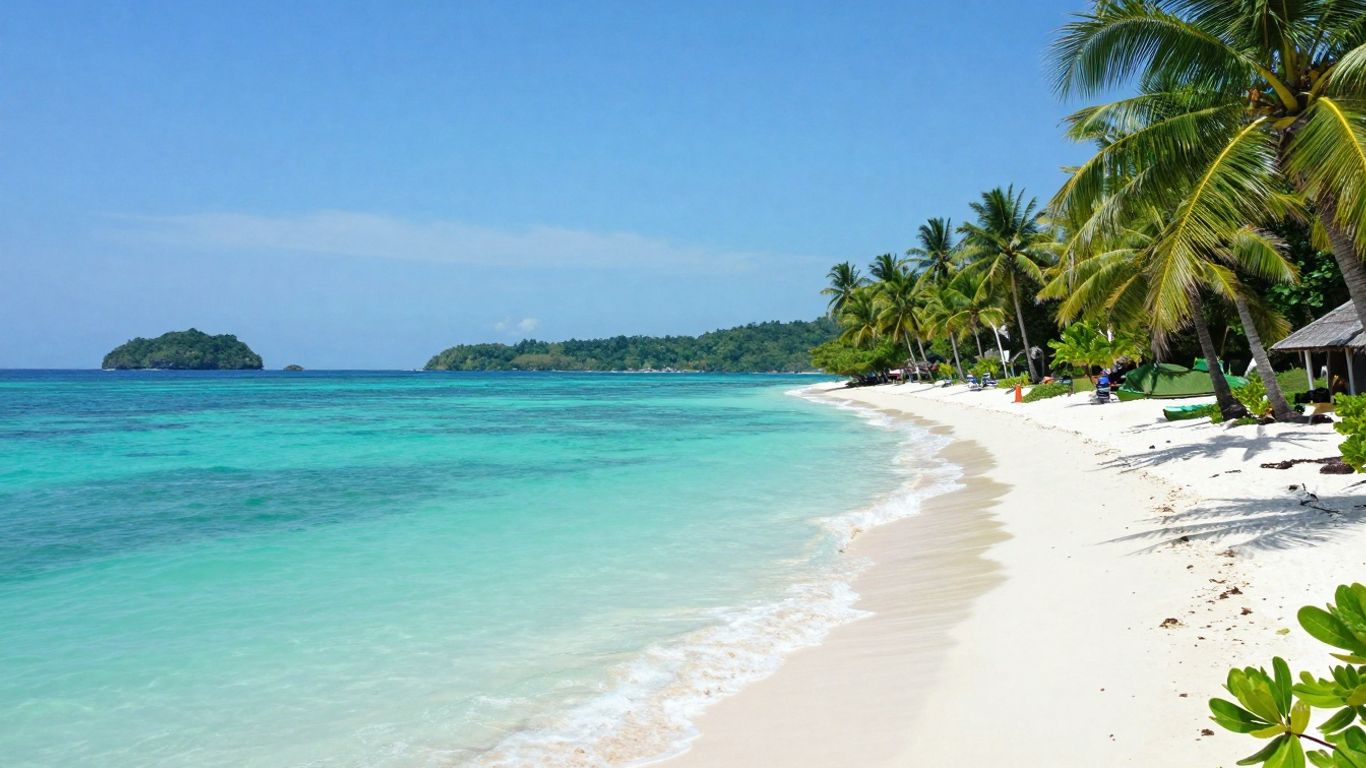
Likupang, located in North Sulawesi, is another one of Indonesia’s Super Priority Tourism Destinations. It’s a coastal area with pretty white-sand beaches and clear waters, great for anyone into nature and marine stuff. The government has put a good amount of money into improving the roads and bridges here, like the Manado-Likupang road, to make it easier to get around. The idea is to make Likupang a place people want to visit on its own, not just as a day trip from Manado.
The area is also a Special Economic Zone, which means there are some incentives for businesses looking to invest. This could mean more hotels and attractions popping up over time. Right now, it’s still developing, so it’s not as busy as some other spots, but that’s part of its charm if you’re looking for something a bit less crowded.
Here’s a quick look at some of the things Likupang offers:
- Beautiful beaches like Pulisan Beach and Paal Beach.
- Opportunities for snorkeling and diving with healthy coral reefs.
- A chance to experience the local Minahasan culture.
Getting there usually involves flying into Sam Ratulangi International Airport in Manado, and then it’s about an hour’s drive. While Manado has more hotels, Likupang itself is starting to build up its own accommodation options. It’s definitely a spot to watch as it grows.
Likupang is still in its early stages of development, but its natural beauty and government backing make it a promising area for future tourism growth. The focus is on eco-tourism and marine activities, aiming to attract visitors who appreciate natural landscapes and a more laid-back atmosphere.
7. Sidemen
If you’re looking for a slice of Bali that feels like it’s from a different era, Sidemen is your spot. Tucked away in the Karangasem Regency, this area is all about rolling green rice paddies, quiet rivers, and the imposing presence of Mount Agung in the distance. It’s the kind of place where you can really slow down and just soak in the natural beauty. Think of it as the Bali that many people remember from years ago – peaceful, lush, and incredibly calming.
Sidemen offers a genuine escape from the hustle and bustle. It’s perfect for anyone wanting to disconnect and find a bit of tranquility. The landscape here is just stunning, with terraced rice fields that seem to go on forever. It’s a great place for walking, exploring local villages, and just breathing in the fresh air.
Here’s what makes Sidemen stand out:
- Unspoiled Natural Beauty: The views of Mount Agung and the vibrant green rice terraces are breathtaking.
- Authentic Local Life: Experience traditional Balinese village life without the crowds.
- Peaceful Atmosphere: Ideal for relaxation, meditation, or simply unwinding.
- Outdoor Activities: Enjoy trekking through the rice fields, visiting local craftspeople, or exploring nearby waterfalls.
Sidemen is a reminder that sometimes the most rewarding travel experiences are found off the beaten path, where nature and local culture are still the main attractions. It’s a place to recharge your batteries and reconnect with yourself.
While it doesn’t have the same level of tourist infrastructure as more popular spots, that’s part of its charm. You’ll find charming guesthouses and local eateries that offer a warm welcome. It’s a place to experience the real Bali, away from the usual tourist trails.
8. Amed
Amed, on Bali’s northeast coast, offers a different pace compared to the island’s southern hotspots. It’s a string of fishing villages that have become known for their calm waters and vibrant underwater life. If you’re looking for a place to unwind and explore the ocean without the usual crowds, Amed is a solid choice.
The main draw here is the incredible snorkeling and diving. The coastline is dotted with several distinct spots, each offering something unique. You’ve got the Japanese shipwreck, a popular site just off the shore, and the coral gardens that stretch along the coast. The water is generally clear, making it easy to see the fish and corals.
Here’s a quick look at what makes Amed appealing:
- Underwater Exploration: Excellent opportunities for snorkeling and diving, with accessible shipwrecks and healthy coral reefs.
- Relaxed Atmosphere: A peaceful environment perfect for disconnecting and enjoying a slower pace of life.
- Local Culture: Experience traditional fishing village life and interact with the friendly locals.
- Scenic Beauty: Enjoy views of Mount Agung and the coastline, especially at sunrise.
Accommodation in Amed ranges from simple guesthouses to more comfortable beachfront bungalows. It’s not about luxury resorts here; it’s more about simple comforts and being close to the water. You can find places that are quite affordable, making it a good option for longer stays or for travelers on a budget. The food scene is also pretty straightforward, with many local warungs serving fresh seafood and Indonesian staples. It’s a place where you can really get a feel for the local way of life. For those interested in exploring more of the eastern side of Bali, Amed serves as a good base, and you can easily arrange trips to nearby attractions. It’s a refreshing change of pace from the busier parts of the island, offering a genuine sense of tranquility. If you’re planning a trip to the Nusa Islands, you might find some great tour packages available from areas like Nusa Penida, which is a popular destination for marine activities premium tour packages.
Amed is the kind of place where you can spend your mornings watching local fishermen bring in their catch and your afternoons exploring the underwater world. It’s simple, beautiful, and offers a real escape.
9. Pemuteran
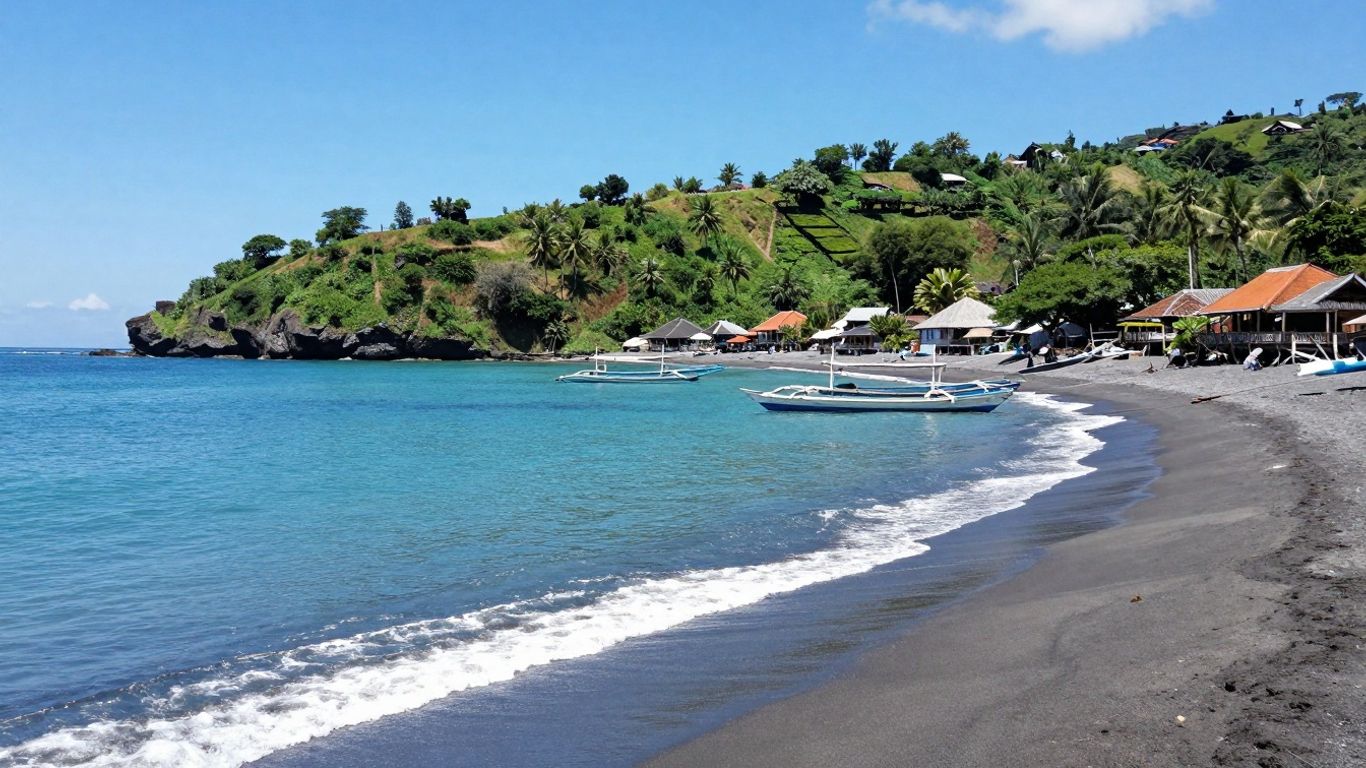
Pemuteran, located in the northwest corner of Bali, offers a different kind of island experience. It’s a place where the focus is really on the ocean and conservation efforts. This quiet coastal village is a haven for marine life and eco-conscious travelers.
What makes Pemuteran stand out is its commitment to protecting its underwater world. You’ll find a unique project here using bio-rock technology to help coral reefs grow. It’s pretty amazing to see how they’re working to restore the marine environment. This dedication means the snorkeling and diving are top-notch, with plenty of fish and healthy coral to observe.
Here’s a quick look at what Pemuteran offers:
- Marine Conservation: Home to the Biorock Reef Project, actively working on coral restoration.
- Gateway to Menjangan Island: A short boat trip away, Menjangan is renowned for its clear waters and abundant marine biodiversity, making it a prime spot for divers.
- Tranquil Beaches: Unlike some of Bali’s busier spots, Pemuteran’s beaches are calm and less crowded, perfect for relaxation.
- West Bali National Park: The proximity to this park offers opportunities for land-based nature exploration as well.
The vibe in Pemuteran is noticeably more relaxed. It’s the kind of place where you can really disconnect and appreciate the natural beauty without feeling overwhelmed by crowds. The local community is heavily involved in preserving their environment, which adds a special layer to the experience.
10. Munduk
If you’re looking for a cooler escape from Bali’s coastal heat, Munduk is the place to be. Tucked away in the highlands, this area feels like a different island altogether. It’s known for its lush landscapes, coffee plantations, and, most notably, its stunning waterfalls.
Munduk offers a refreshing change of pace with its cooler climate and natural beauty. The air here is crisp, and the views are just incredible, with rolling hills and verdant valleys stretching out before you. It’s a great spot for anyone who enjoys hiking and exploring the outdoors.
Here are some of the must-see spots in Munduk:
- Munduk Waterfall: One of the most accessible and popular falls, perfect for a quick dip.
- Melanting Waterfall: A bit more of a trek, but the scenery is worth it.
- Banyumala Twin Waterfalls: Known for its wide cascade and natural pool, great for swimming.
Beyond the waterfalls, you can wander through local coffee and clove plantations, learning about the island’s agricultural side. The pace of life is slow and peaceful, making it ideal for unwinding and connecting with nature. It’s a part of Bali that many visitors miss, but it truly showcases the island’s diverse natural wonders.
11. Ora Beach
Ora Beach, located on Seram Island in Maluku province, is a real hidden gem that most tourists completely miss. Think crystal-clear turquoise waters, white sandy beaches, and dramatic limestone cliffs covered in lush jungle. It’s the kind of place that feels untouched by the usual tourist hustle. Getting there isn’t exactly a quick hop, skip, and a jump, which is probably why it remains so pristine. You’ll typically need to fly into Ambon, then take a ferry to Seram, and finally a car ride to reach the beach. It’s a bit of an adventure, but totally worth it if you’re looking for pure, unadulterated natural beauty.
The main draw here is the sheer tranquility and the stunning natural scenery. It’s a place to truly disconnect and soak in the peaceful atmosphere. You won’t find rows of resorts or busy beach bars. Instead, accommodation often consists of charming, simple bungalows right on the water, offering incredible views and direct access to the calm sea. It’s perfect for anyone wanting to escape the crowds and experience a slice of paradise.
Here’s what makes Ora Beach special:
- Unspoiled Natural Beauty: Expect vibrant blue waters, soft sand, and a backdrop of dense rainforest. It’s incredibly picturesque.
- Peace and Quiet: The journey deters mass tourism, meaning you can often have large stretches of beach to yourself.
- Unique Accommodation: Stay in overwater bungalows that offer an immersive experience with the surrounding environment.
- Local Culture: Experience the laid-back lifestyle of the local communities.
While the journey requires effort, the reward is an escape to a truly serene and visually stunning location, far removed from the typical tourist trails. It’s an investment in peace and natural wonder.
Looking Ahead
So, while Bali has its undeniable charm, it’s clear Indonesia offers so much more for those willing to explore. From the developing shores of Lombok to the serene highlands of Munduk and the underwater wonders of Amed, the archipelago is brimming with potential. The government’s "10 New Balis" initiative and infrastructure upgrades are paving the way for these lesser-known spots to shine. It’s an exciting time to consider investing or visiting these diverse locations, each with its own unique appeal, before they become the next big thing. Keep an open mind and an adventurous spirit – Indonesia’s treasures are waiting.
Frequently Asked Questions
Why are investors looking at places other than Bali?
Bali is getting crowded and expensive. Many people want to find new places that are still beautiful and have lots of potential for growth, but without all the traffic and high prices. Other areas in Indonesia offer a more genuine experience and are becoming popular choices for smart investors.
What does the Indonesian government do to help new tourist spots?
The government has a plan called ’10 New Balis’ to help other places grow. They pick spots with good attractions, easy ways to get there, and places for people to stay. They also invest in things like airports and roads to make these places more welcoming for visitors and investors.
Are there any special areas for investment in these new destinations?
Yes, some places have special economic zones, like Mandalika in Lombok. These zones offer benefits like tax breaks and easier rules to encourage businesses and tourism to develop quickly.
Is it hard for foreigners to invest in property in these areas?
It can seem a bit tricky at first because the rules are different from Western countries. However, there are clear ways for foreigners to own or use property, like through special company structures or lease agreements. It’s important to get good advice to make sure everything is set up correctly.
Are these places safe for tourists?
Generally, yes. While some areas might be less developed than Bali, the government is working hard to improve safety and infrastructure. Like any travel, it’s always wise to be aware of your surroundings and follow local advice.
What kind of investments can I make besides hotels?
Besides hotels and villas, you can invest in businesses that support tourism, like restaurants, tour operations, or shops selling local crafts. The goal is to help the local economy grow and provide unique experiences for visitors.
Related Article
Unlock Your Dream: Investing in Indonesian Island Property for Sale
Thinking about buying property in Indonesia? It’s a big country,...
Thinking about buying property in Indonesia? It’s a big country, made up of thousands of islands, so it’s easy to...
Exploring East Nusa Tenggara Real Estate: Your Guide to Properties in Paradise
Thinking about buying property in East Nusa Tenggara? It’s a...
Thinking about buying property in East Nusa Tenggara? It’s a region with a lot to offer, from stunning natural beauty...
Unlocking Potential: A Comprehensive Guide to Sumba Island Investment Opportunities
Thinking about putting money into a new spot? Sumba Island...
Thinking about putting money into a new spot? Sumba Island investment is starting to get some serious buzz. It’s this...
