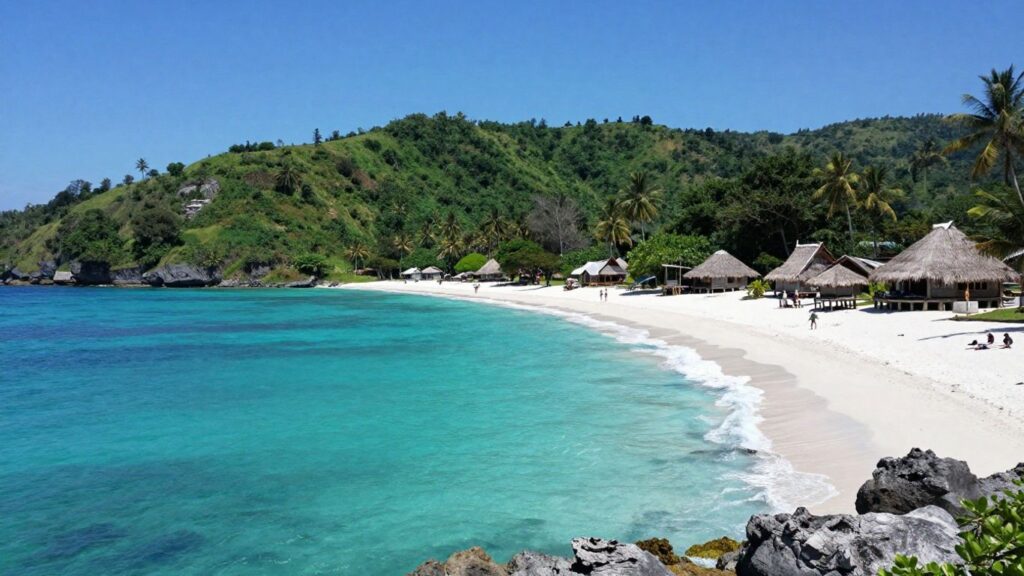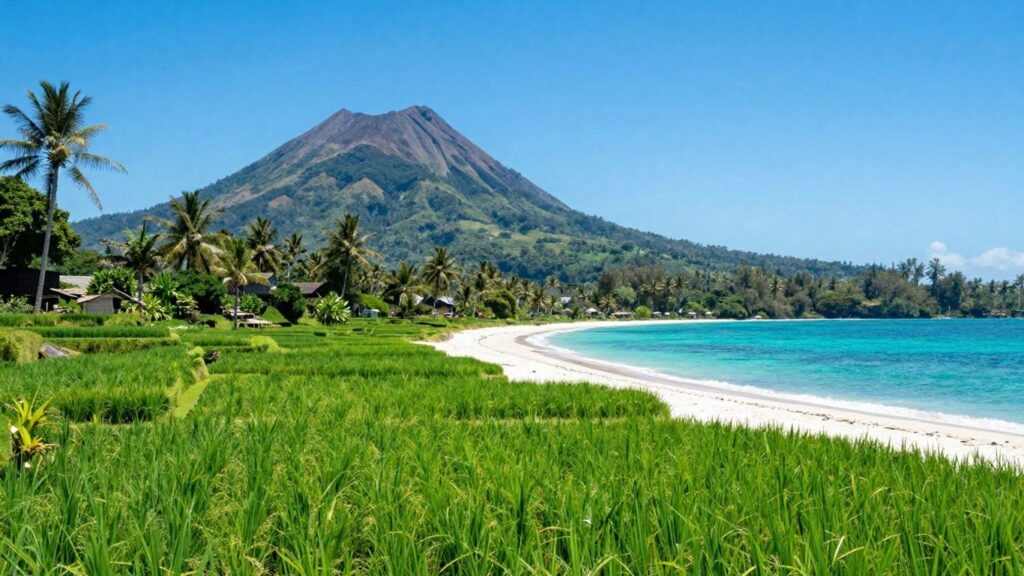

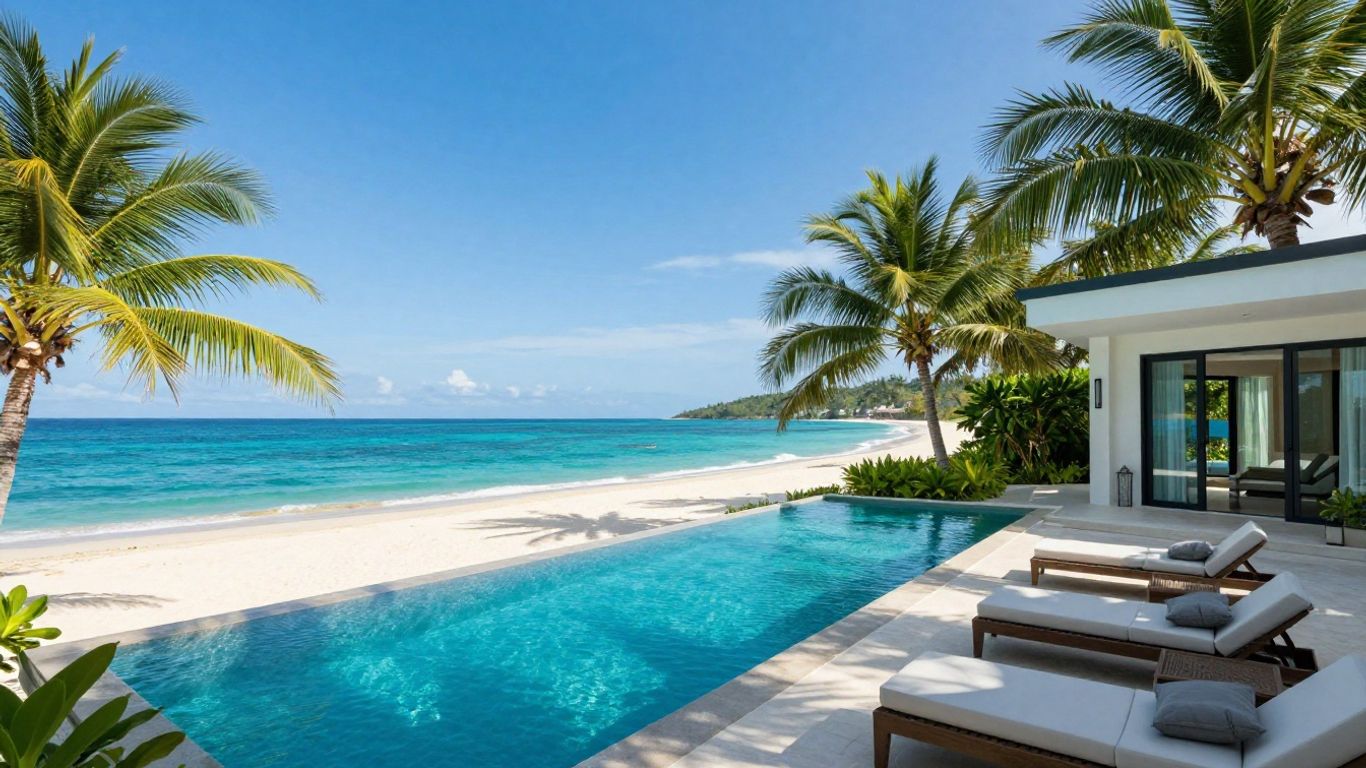
Thinking about buying property in Indonesia? It’s a big country, made up of thousands of islands, so it’s easy to see why people get excited about owning a piece of paradise. Whether you’re dreaming of a quiet beach spot or a place to build something special, Indonesia’s islands have a lot to offer. It’s not just about pretty views, though. There are real opportunities here for smart investors looking for Indonesian island property. Let’s break down what you need to know.
Key Takeaways
- Indonesia’s islands offer diverse investment options, from beachfront land to private resorts, catering to various buyer interests.
- Popular regions like the Mentawai Islands, Sumba, and Jemaja are emerging as prime spots for Indonesian island property, each with unique appeal.
- Understanding leasehold and ownership structures, along with thorough legal due diligence, is vital for a smooth purchase process.
- Developing island properties requires careful planning regarding infrastructure, sustainable building, and sourcing materials and labor.
- Working with experienced brokers and making informed decisions are key to securing long-term value and capital appreciation in the Indonesian island property market.
Discovering Your Indonesian Island Property
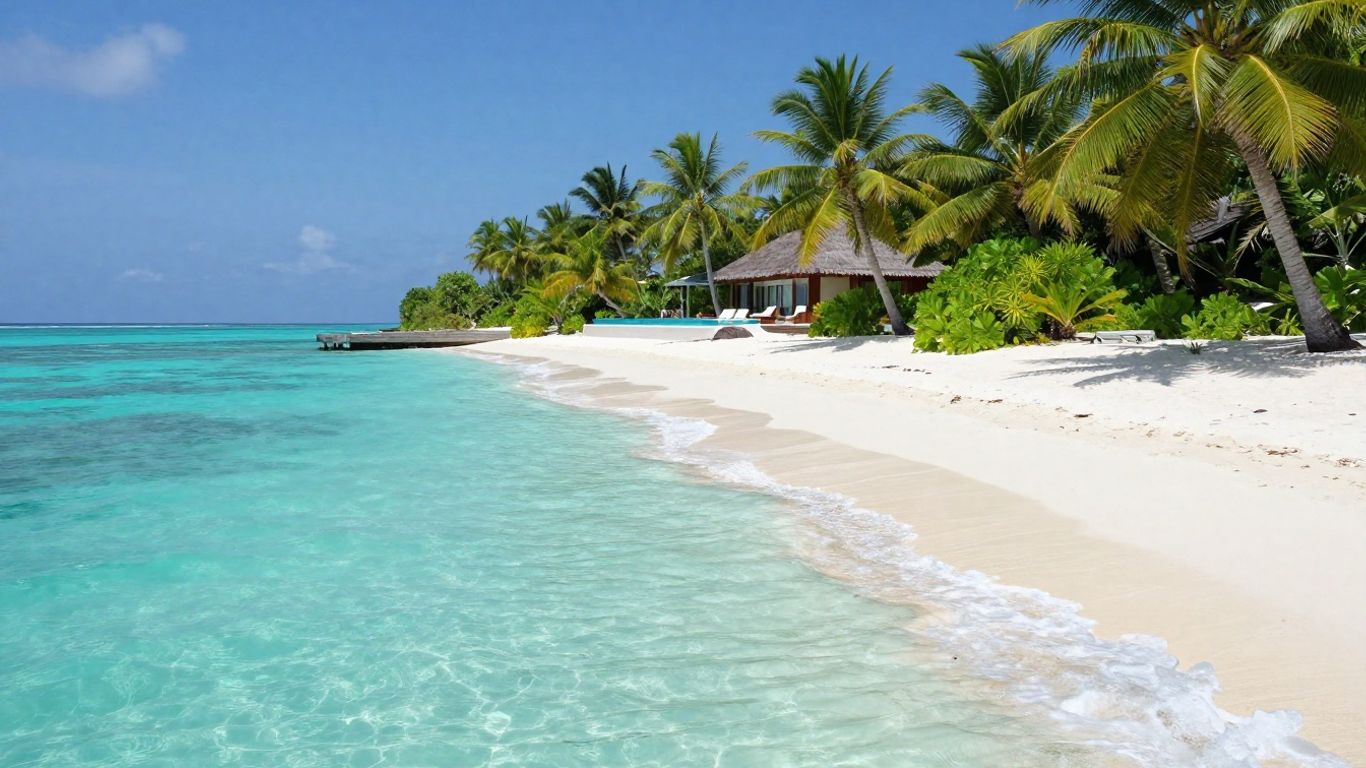
Indonesia, an archipelago nation, presents a unique landscape for those looking to own a piece of paradise. With thousands of islands, the sheer variety means there’s a spot for almost any dream, from bustling coastal hubs to secluded, untouched havens. Finding the right island property involves understanding what makes each location special and how it aligns with your personal or investment goals.
The Allure of Indonesia’s Archipelago
The appeal of Indonesian islands is multifaceted. It’s not just about pristine beaches and clear waters, though those are certainly abundant. The archipelago boasts incredible biodiversity, vibrant local cultures, and a growing tourism sector that hints at future potential. Each island, or even region within an island, offers a distinct atmosphere and set of opportunities. Whether you’re drawn to the surf breaks of the Mentawais, the emerging luxury scene in Sumba, or the quiet potential of islands like Jemaja, the diversity is a significant draw.
Navigating Island Access and Travel
Getting to and around Indonesian islands requires some planning. Major international airports are located on islands like Java and Bali, serving as primary entry points. From there, inter-island travel is typically done via ferries or smaller aircraft. Some more remote islands might only be accessible by private boat charter. Understanding these travel routes and their reliability is key, especially if you plan to visit your property regularly or develop it for tourism. For instance, islands closer to major hubs like Batam or Bintan often have more frequent transport options compared to those further afield.
Identifying Your Ideal Island Retreat
To pinpoint your ideal island retreat, consider what you value most. Are you looking for:
- Tranquility and privacy? This might lead you to less developed, more remote islands.
- Accessibility for guests or business? Islands with existing airports or regular ferry services would be more suitable.
- Specific natural features? Such as world-class surf spots, diving locations, or unique wildlife.
- Development potential? Some islands offer raw beauty with the opportunity to build from the ground up, while others have nascent infrastructure.
The process of finding an island property is as much about self-discovery as it is about property searching. It requires patience and a clear vision of the lifestyle or investment you seek. Researching different island characteristics, local communities, and accessibility is a vital first step before even looking at specific listings.
Investment Opportunities in Indonesian Island Real Estate
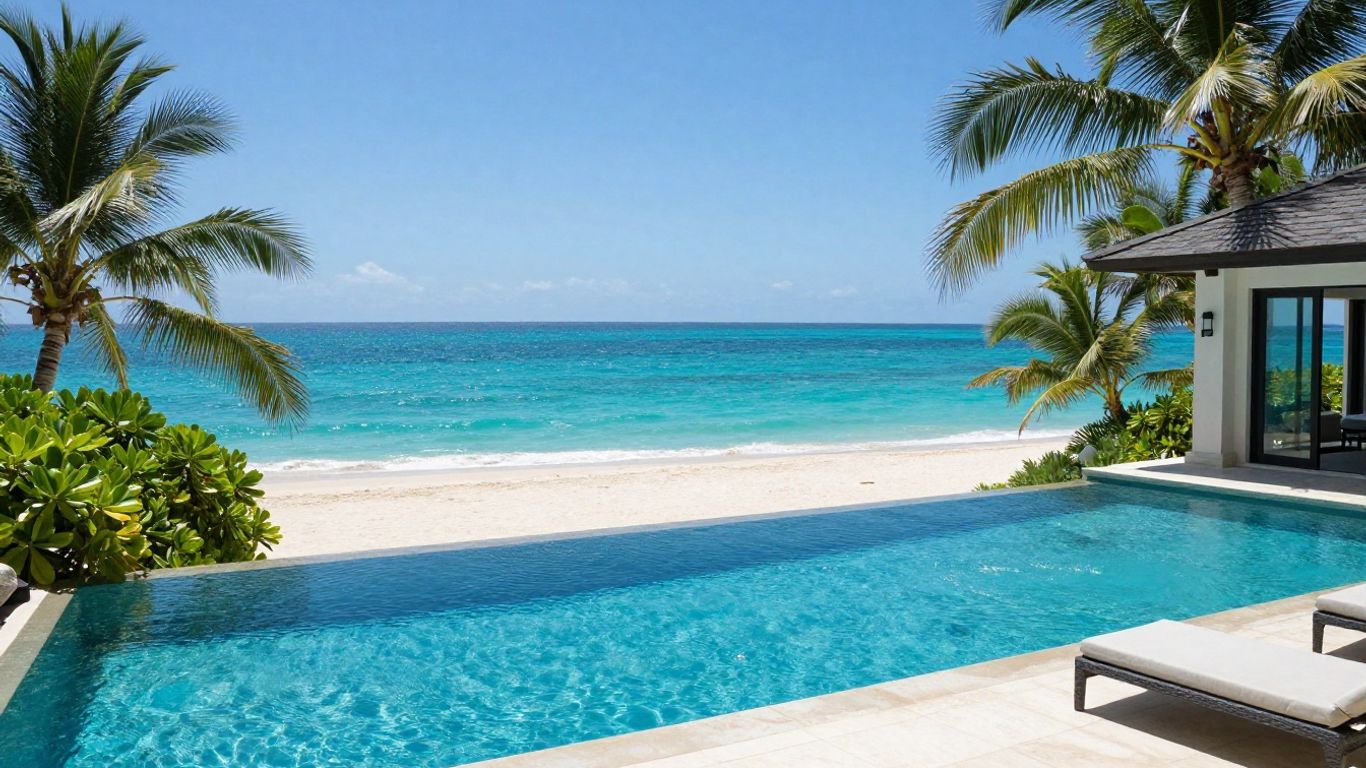
Indonesia’s vast archipelago presents a compelling landscape for property investment, moving beyond just personal enjoyment to significant financial potential. The market offers a range of opportunities, from raw land ripe for development to established luxury retreats.
Prime Beachfront Land for Development
Acquiring beachfront land is often the first step for many investors looking to capitalize on Indonesia’s stunning coastlines. These parcels are ideal for constructing resorts, private villas, or boutique hotels. The value here lies in the location and the potential to build something unique that attracts tourists or offers a high-end residential experience. The demand for well-situated coastal properties continues to grow.
Consider the following types of beachfront land investments:
- Resort Development: Large plots suitable for building multiple units, amenities, and common areas.
- Private Villa Estates: Smaller, exclusive plots perfect for luxury homes or rental villas.
- Commercial Ventures: Land positioned for restaurants, dive centers, or other tourism-related businesses.
Exclusive Private Island Resorts
For those seeking the ultimate in exclusivity and privacy, purchasing or developing a private island is an option. These properties offer seclusion and the chance to create a bespoke destination. While the investment is substantial, the potential returns, particularly in the luxury tourism sector, can be significant. These islands can be transformed into high-end resorts, wellness retreats, or exclusive event venues.
Luxury Villa and Retreat Options
Beyond raw land, the market also includes existing luxury villas and established retreat centers. These properties often come with existing infrastructure, staff, and a proven track record, reducing the development risk. Investing in such properties can provide immediate rental income and capital appreciation. They appeal to buyers looking for a turnkey solution or a high-yield rental business.
The appeal of these properties often lies in their unique settings and the lifestyle they represent. Investors are not just buying real estate; they are investing in a tropical dream that can also generate income.
Key Regions for Indonesian Island Property
Mentawai Islands: A Surfer’s Paradise
The Mentawai Islands are really something else if you’re into surfing. It’s become a big deal for people who love catching waves, and because of that, property here is getting a lot of attention. You can find places right on the beach or spots tucked away in the jungle. The demand for land is pretty high, so if you’re thinking about investing, you’ll want to move fast. It feels like a special place, and owning something here could be a good move, especially with the growing interest in eco-tourism.
- Prime Oceanfront Land – Mapaddegat 1400m2: This spot has a new road and easy boat access. You can even see a famous surf break from here. It’s great for building a villa or a place for surfers to stay.
- Ocean-View Development Land – Tuapejat: Located close to the harbor and town, this land offers great views and access to surf spots. It’s in an area that’s expected to grow.
The Mentawai Islands offer a unique chance to own a piece of paradise, with real estate poised for continued growth.
Sumba: Emerging Luxury Destination
Sumba is starting to get noticed as a place for luxury travel. It’s got beautiful white sand beaches and is becoming a spot for high-end resorts and private getaways. If you’re looking for beachfront land with great views, Sumba is worth checking out. It’s not as developed as some other places, which means there’s a lot of potential for growth and creating something special.
- West Coast Beachfront Plot: A 5,875 sqm plot with 50 meters of white sand frontage. It’s about 25 minutes from the airport and close to a new resort. You get sunset views and are near good diving spots.
Jemaja: Untapped Potential and Growth
Jemaja, part of the Anambas Islands, is still pretty much a hidden gem. It’s not as well-known as the Mentawais or Sumba, but that’s where the opportunity lies. This area has incredible natural beauty and is perfect for someone looking for a place that hasn’t been fully explored yet. Think pristine beaches and clear waters. It’s a region with a lot of potential for future development and growth.
Purchase Process for Indonesian Island Property
Buying property in Indonesia, especially on an island, involves a few steps that are good to know beforehand. It’s not quite like buying a house back home, so a little preparation goes a long way. The process generally moves along smoothly if you have the right information and support.
Understanding Leasehold and Ownership Structures
In Indonesia, foreign individuals typically cannot own land outright. The most common way to secure property is through a leasehold agreement. These leases can be quite long, often renewable for periods up to 25 or even 50 years. This gives you a secure right to use and develop the land for an extended period. Another route, particularly for larger investments or commercial ventures, involves setting up a PT PMA (Penanaman Modal Asing) company, which is a foreign investment company. This structure allows the company to hold land rights. It’s important to understand the terms of your leasehold agreement thoroughly, including renewal options and any associated fees.
Essential Legal Due Diligence
Before you sign anything, doing your homework on the property is key. This means checking the land title to make sure it’s clear and free of any disputes or existing debts. You’ll want to confirm that all necessary permits are in place, especially if you plan to build. A local legal expert can help verify these documents and ensure everything is above board. This step protects your investment and prevents future headaches.
- Verify land title and ownership history.
- Confirm all building and development permits are current.
- Check for any existing liens or encumbrances.
- Understand local zoning and land use regulations.
Timelines and Associated Costs
The entire purchase process, from initial offer to final paperwork, can typically take anywhere from three to six months. This timeframe can vary depending on the complexity of the deal and how quickly all parties can complete their tasks. Beyond the purchase price, there are other costs to consider. These often include:
- Transfer Tax: Usually around 5% of the property value.
- Legal Fees: For lawyers and notaries involved in the transaction.
- Notary Fees: For official document processing.
- Potential Government Levies: Depending on the specific location and type of property.
It’s wise to budget for these additional expenses, as they can add a significant amount to the overall cost of acquiring your island property. Keeping a buffer for unexpected fees is always a good idea.
Here’s a general breakdown of potential costs:
| Cost Type | Estimated Percentage/Range |
|---|---|
| Purchase Price | Varies |
| Transfer Tax | ~5% |
| Legal Fees | 1-3% |
| Notary Fees | 0.5-1% |
| Other Levies | Variable |
Development Considerations for Island Properties
Infrastructure and Accessibility
Building on an island means thinking about how everything gets there. Forget the convenience of mainland utilities; you’ll likely be setting up your own power, water, and waste systems. Solar panels and robust water catchment systems are becoming standard for a reason. Getting materials and skilled workers to remote locations can also add significant time and cost to your project. Think about how often you’ll need to bring in supplies or how guests will reach your property. Improved transport links, like more frequent ferry services or even a small airstrip, can dramatically increase an island’s appeal and value.
Sustainable Building Regulations
Indonesia is increasingly focused on protecting its natural beauty. This means there are rules about how and where you can build. Expect limits on building height and the percentage of land you can develop. Setbacks from the coastline are common to protect against erosion and preserve natural views. Many buyers are now looking for eco-friendly developments, so incorporating sustainable practices from the start can be a smart move. This might include using local, renewable materials or designing buildings that minimize their environmental footprint.
Sourcing Materials and Skilled Labor
Getting the right stuff and the right people to your island site is a big part of the puzzle. Basic construction might be handled by local teams, but for more complex or high-end builds, you’ll probably need to bring in specialists. Materials often have to be shipped in, sometimes from other countries, which adds to the timeline and expense. Planning your supply chain well in advance is key to avoiding delays. It’s a good idea to budget for longer construction periods than you might expect on the mainland.
Developing on an island requires a different mindset. It’s about working with nature, not against it, and being prepared for logistical challenges. Patience and careful planning are your best tools here.
Securing Your Indonesian Island Property Investment
The Role of Expert Brokers
Finding the right property is just the first step. When you’re looking at Indonesian island real estate, especially if you’re not a local, having a good broker makes a big difference. They know the local market, understand the legal stuff, and can help you avoid common pitfalls. Think of them as your guide through the whole process. They can point you towards properties that fit what you’re looking for, whether that’s beachfront land for a resort or a private spot for a villa. A good broker is your best ally in making sure the deal goes smoothly. They often have access to listings you won’t find elsewhere and can negotiate on your behalf.
Long-Term Value and Capital Appreciation
Investing in Indonesian islands isn’t just about buying a piece of paradise; it’s about looking ahead. The value of these properties can grow over time, especially in developing areas. Factors like improved infrastructure, increased tourism, and the general desirability of these unique locations all play a part. It’s smart to consider the potential for capital appreciation when you’re making your choice. Some areas are already popular, while others are just starting to get noticed, offering different kinds of opportunities.
Here’s a look at potential growth factors:
- Tourism Growth: As Indonesia becomes more accessible and its unique beauty gains wider recognition, tourist numbers are likely to increase, driving demand for accommodation and related services.
- Infrastructure Development: Government and private investment in roads, airports, and utilities can significantly boost property values in previously remote areas.
- Scarcity: The limited supply of desirable island land means that well-located properties are likely to hold their value and appreciate over time.
Making Informed Decisions in a Growing Market
Buying property in Indonesia, particularly on the islands, requires careful thought. It’s a market that’s evolving, and staying informed is key. Before you commit, do your homework. Understand the local regulations, the specific island’s development plans, and the economic outlook for the region. Don’t rush into anything. It’s better to take your time and make a decision you feel confident about.
It’s wise to visit the property yourself, if possible, to get a true feel for the location and its surroundings. Sometimes, what looks good on paper doesn’t quite match the reality on the ground. Seeing it firsthand can help you spot potential issues or confirm your initial positive impression.
Consider these points before finalizing your purchase:
- Legal Checks: Always verify ownership and ensure all permits are in order.
- Local Conditions: Understand the environmental factors, community dynamics, and any local development plans.
- Future Potential: Research the island’s accessibility and any planned improvements that could affect its value.
Your Indonesian Island Awaits
So, you’ve looked at the possibilities, from the surf breaks of the Mentawais to the quiet shores of Sumba. Indonesia offers a unique chance to own a piece of paradise. It might seem like a big step, but with the right help, finding and buying your dream island property is totally achievable. Think about what you want – a quiet escape, a place to build, or maybe a spot for a business. The islands are there, waiting for you to make them yours. Don’t let the dream just be a dream; start exploring what’s out there today.
Frequently Asked Questions
What makes Indonesian islands a good place to invest in property?
Indonesia has thousands of beautiful islands with amazing nature, like jungles and beaches. Many are still unspoiled, making them feel special and unique. Investing here means you can own a piece of paradise, which is becoming more popular for people wanting a getaway or a place to relax.
How do I get to and around Indonesian islands?
You can usually fly into major islands like Bali or Java. To travel between islands, you’ll often take boats, like ferries or private hires. This is part of the adventure of exploring these amazing places!
What kind of properties can I buy on Indonesian islands?
You can find many types of properties. There’s land right on the beach perfect for building, private islands for ultimate seclusion, and fancy villas or retreats. It really depends on what kind of dream you’re trying to build.
Can foreigners own property in Indonesia?
Foreigners can’t own land directly, but there are ways around this. You can get long-term lease rights, which are like renting for many years. You can also set up a company in Indonesia to own the property. It’s best to get advice on the legal steps.
What should I think about if I want to build on my island property?
You’ll need to consider things like getting electricity and water to your property. Building rules might focus on protecting nature, so you’ll need to build in a way that’s good for the environment. Finding local workers and materials is also important.
How long does it take to buy property in Indonesia?
The buying process usually takes about 3 to 6 months. This includes checking all the legal papers, making sure the title is clear, and finishing the paperwork. It’s a good idea to have a lawyer who knows Indonesian property laws to help you.